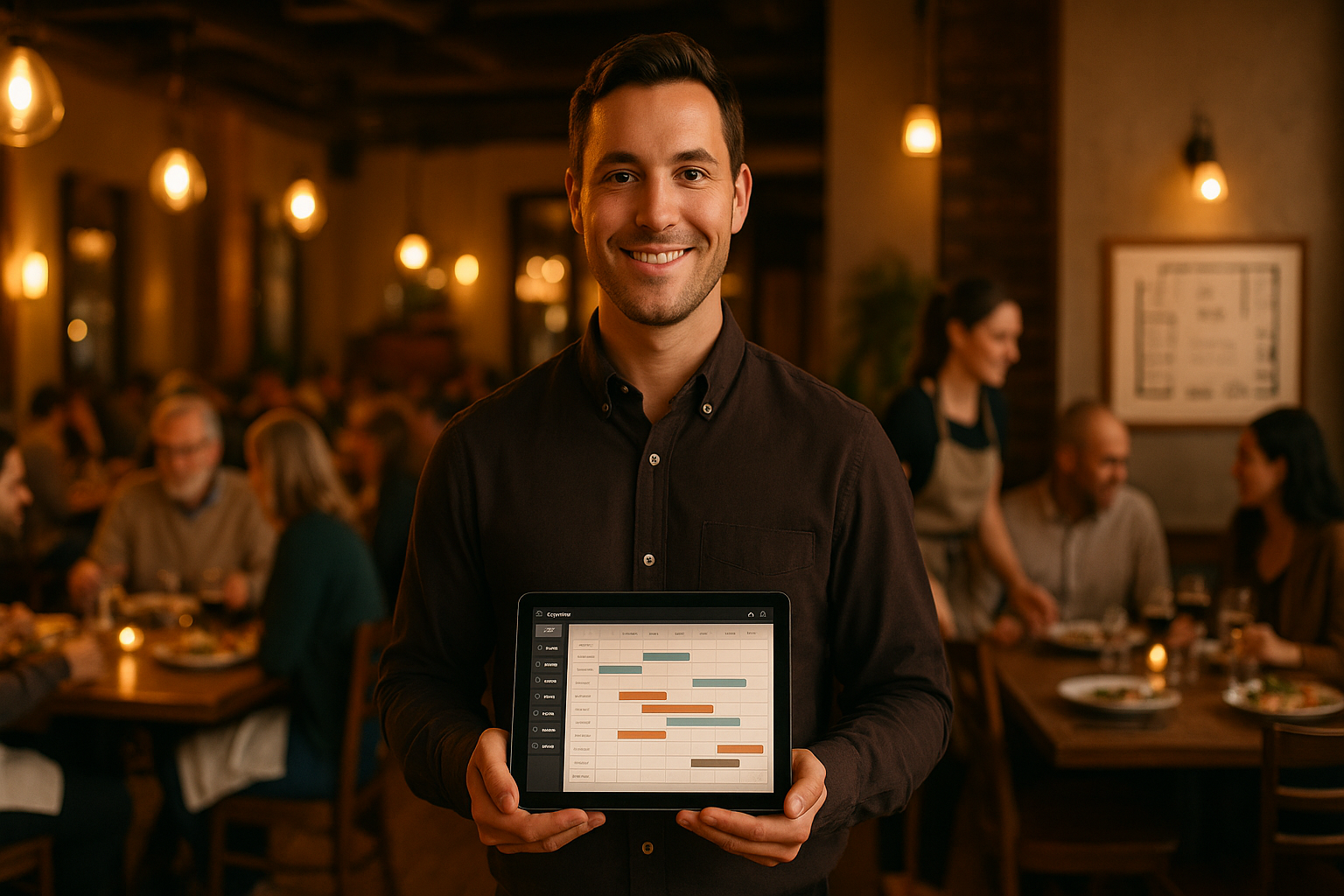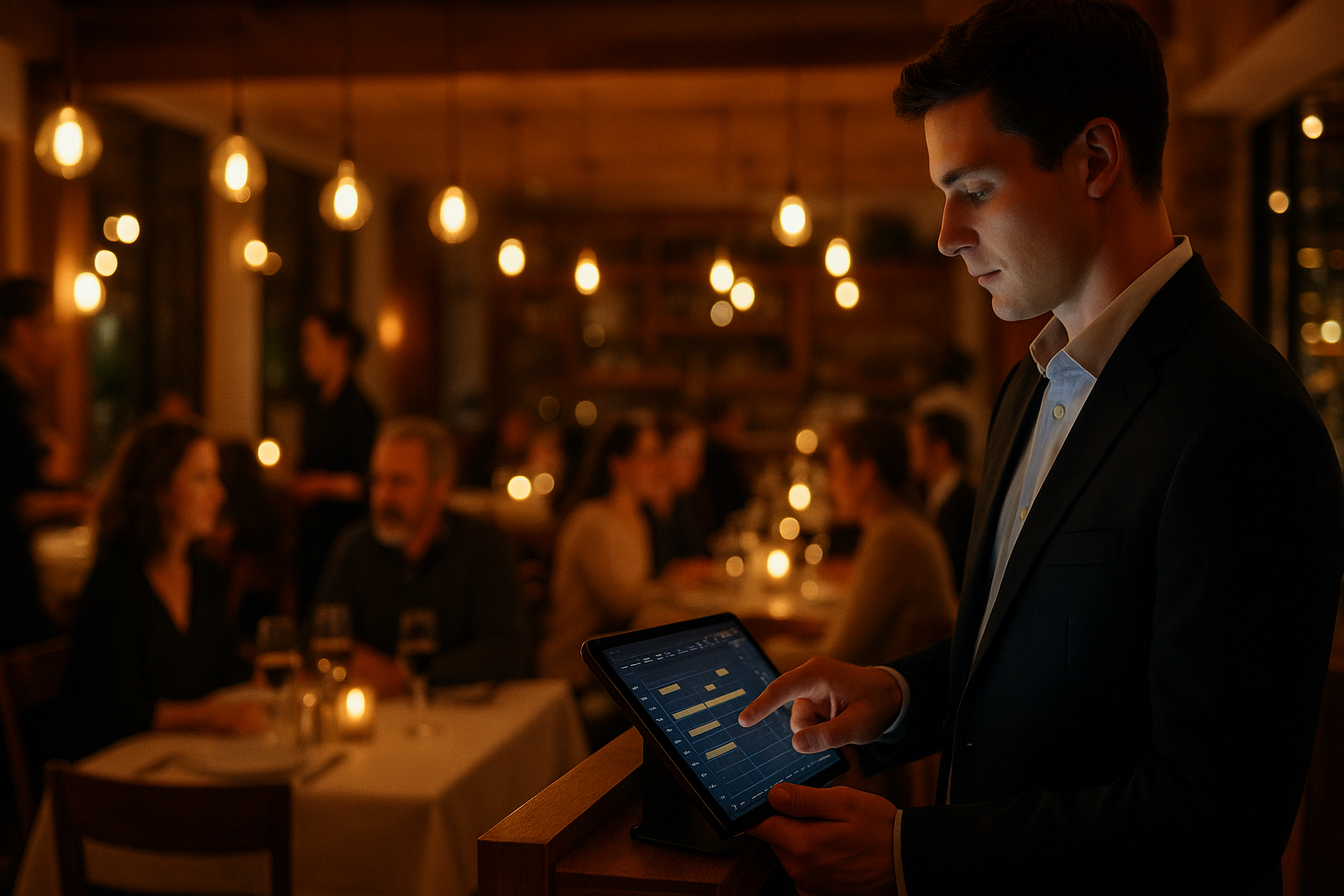
Host checking a tablet booking timeline while a warmly lit dining room fills with guests after 8pm

Rethink the Late-Night Daypart: Reservation Strategies to Capture After-8pm Covers

Across Europe, customer routines are shifting: more people are comfortable dining later, and the old assumption that evenings after 8 p.m. are a winding-down period no longer holds universally. That makes the late-night daypart an underused opportunity for operators who are willing to pilot later service, control turnover deliberately, and use data-driven tools to protect guest experience while capturing incremental revenue. Why late-night covers matter now Recent platform data shows measurable growth in dining activity around traditional late slots — the 8 p.m. and 9 p.m. windows have seen month-on-month increases in several markets, indicating demand that many operators previously treated as marginal. (opentable.com) ...

September 12, 2026 · 4 min · 786 words · Tabledoo
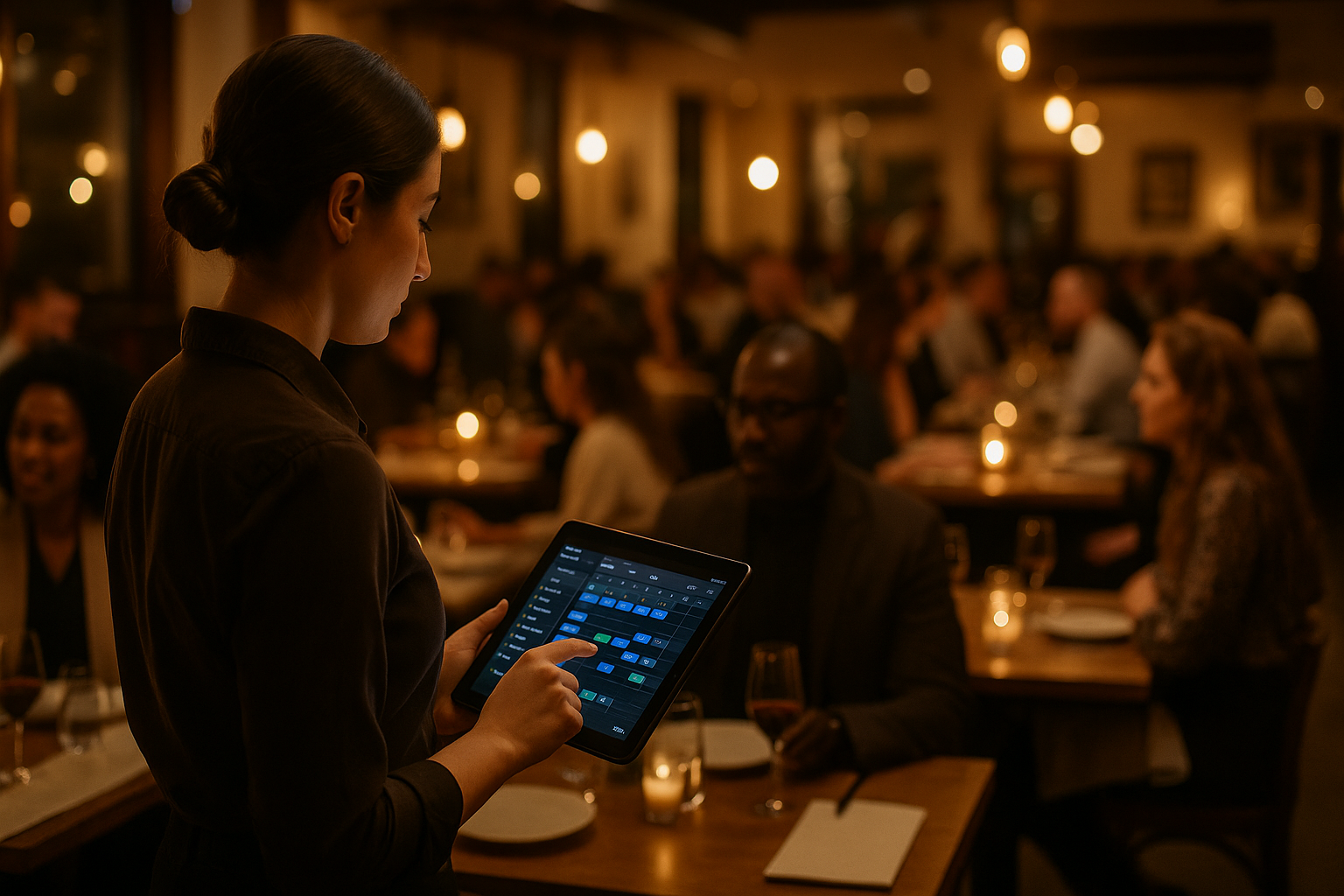
Host capturing a walk-in guest on a tablet in a warmly lit restaurant entrance

Capturing Your 'Invisible' Guests: How to Turn Walk-ins into Booked, Repeat Customers

Busy services can hide a simple truth: when the dining room hums, many guests arrive, eat and leave without ever entering your booking book. Those ephemeral covers — walk-ins, near-miss parties, guests who leave because of a long wait — are invisible revenue and loyalty opportunities. With a few frontline habits and targeted digital tools you can convert ad-hoc covers into tracked reservations and repeat visits, increasing yield and turning one-night guests into regulars. ...

September 4, 2026 · 4 min · 774 words · Tabledoo
Dining room during a busy dinner service with hosts managing reservations on a tablet

When Dining Feels Like an Auction: How Restaurants Can Manage Demand Peaks with Smarter Reservations

Diners today treat mealtimes like a live market: prices, social posts and availability influence choices in the last few hours, and tables that felt guaranteed a week ago can vanish in an instant. That real‑time volatility — where a large share of covers are booked day‑of and cancellations cluster near service — turns peak hours into an auction. For independent restaurants, the response isn’t to compete on price; it’s to manage demand with clear rules, flexible windows and operational technology that turns uncertainty into predictable flow. ...

August 29, 2026 · 4 min · 679 words · Tabledoo
Host holding a tablet with a reservation timeline in a warmly lit independent restaurant dining room

Consumers Are Spending More at Independent Restaurants — How to Convert That Demand into Bookings

Independent restaurants are seeing a measurable uptick in consumer spending — a window that operators should treat like a call to action. The challenge isn’t just attracting diners; it’s converting spontaneous interest into reliable, repeatable covers across services. With the right mix of booking UX, operational controls and guest communications, independents can convert demand into higher occupancy and healthier per-service revenue without giving away margin. Capture more direct bookings with a friction-free public page When customers decide to dine locally, friction is the enemy. A clean, fast, commission-free public booking page gives guests a direct path to reserve — no third‑party fees, no confusing redirects. Make sure your booking page is: ...

August 27, 2026 · 4 min · 654 words · Tabledoo
Cozy restaurant interior during autumn with warm lighting showing a host stand, timeline grid on a tablet and a few seated guests

Turn Autumn Slowdown into Optimization: Using Reservation Data to Protect Revenue and Staff Efficiency

Autumn often brings quieter weeks between summer tourists and the year-end rush. Rather than treating the slowdown as a problem to endure, use it as a controlled environment to test promotions, refine staffing and build stronger demand forecasts from your own reservation data. With a few targeted operational shifts—guided by reliable reservation analytics and pragmatic floor-management tools—you can stabilise revenue, reduce wastage and emerge into the busy season more efficient. ...

August 25, 2026 · 4 min · 673 words · Tabledoo
Host using a tablet to manage a busy restaurant floor with warm lighting and guests dining in the background

Staff Shortages and Reservations: Practical Steps to Protect Guest Flow

Front‑of‑house teams are stretched thin across Europe as labour markets tighten. Operators who protect guest flow and table turnover with sensible automation — not by cutting service corners — will keep covers moving, control revenue per seat, and preserve the guest experience even when hiring is hard. Why staffing gaps increase front‑of‑house pressure When restaurants have fewer hands on deck the workload concentrates on booking management, guest communications, and on‑the‑fly seating decisions. Recent labour reports show continued month‑to‑month weakness in leisure and hospitality employment in the U.S., highlighting how quickly operational pressure can rise when staffing falls. (kiplinger.com) ...

August 9, 2026 · 3 min · 593 words · Tabledoo
Cozy independent restaurant interior with a small group of young diners, warm lighting, and a host checking bookings on a tablet

Adapting Reservations for 'Soft Socializing': How Independents Can Win Weekend Covers from Gen Z

You may already be noticing quieter, shorter bursts of covers across your weekend shifts: two friends meeting for an hour between shifts, a three-person midday catch-up, or a small evening meet-up that wants low cost and low pressure. This is the shift many operators are calling “soft socializing” — Gen Z-led gatherings that are shorter, more affordable, and experience-focused. For independent restaurants, that pattern can erode traditional weekend peaks unless you adjust how you sell, seat, and staff for these small, frequent bookings. ...

August 5, 2026 · 4 min · 771 words · Tabledoo
Families dining in a bright independent restaurant with a small supervised play area visible, warm lighting, host seating guests

Managing play‑area demand and family bookings: reservation tactics for independent restaurants

Families are an invaluable repeat business segment: they bring group covers, longer dwell times and predictable midweek demand — but they also create operational complexity when in‑restaurant play areas, supervision needs and kids’ preferences enter the picture. Independent operators who want to welcome parents without disrupting covers must balance capacity, staffing and booking hygiene. In practice this means reserving the right tables, scheduling limited play‑area slots, capturing dietary and seating needs at booking, and using reminders to keep no‑shows to a minimum. ...

July 30, 2026 · 4 min · 735 words · Tabledoo
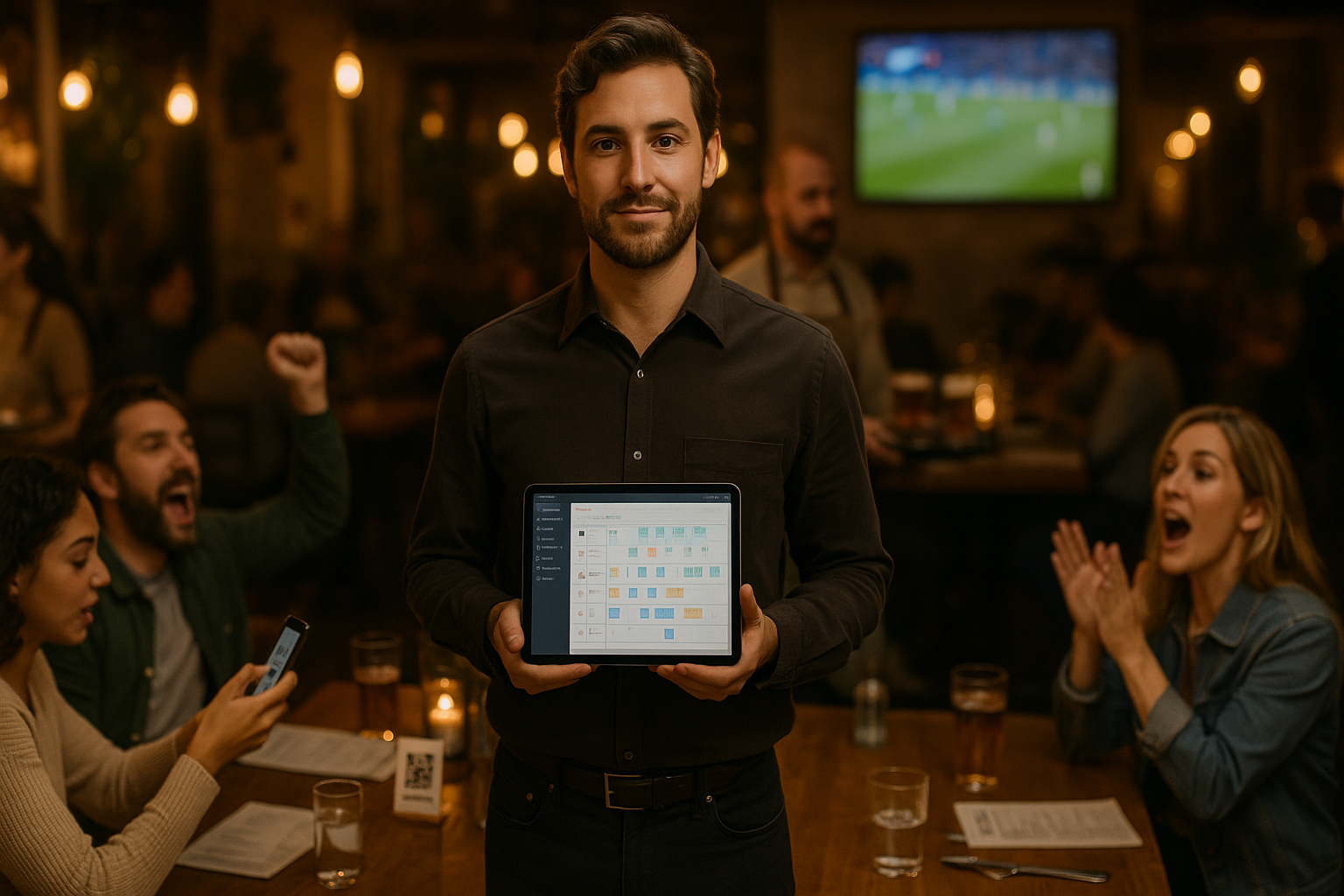
A busy independent restaurant on match night with a host using a tablet while guests scan a QR code at a table

How independents can capture World Cup footfall: managing reservations, waitlists and guest flow

Major sporting events like the FIFA World Cup create short windows of intense demand: unpredictable walk-ins, late kick-offs, and groups who prioritise atmosphere over reservations. For independent restaurants that rely on margins and guest experience rather than scale, the opportunity is clear — and so is the risk. To convert event-driven footfall into sustainable covers without sacrificing service quality, operators need systems that lock in bookings, reduce no-shows, speed service and keep the floor moving. Here’s a practical playbook for how to manage reservations during events using a simple, integrated toolkit. ...

July 26, 2026 · 4 min · 752 words · Tabledoo
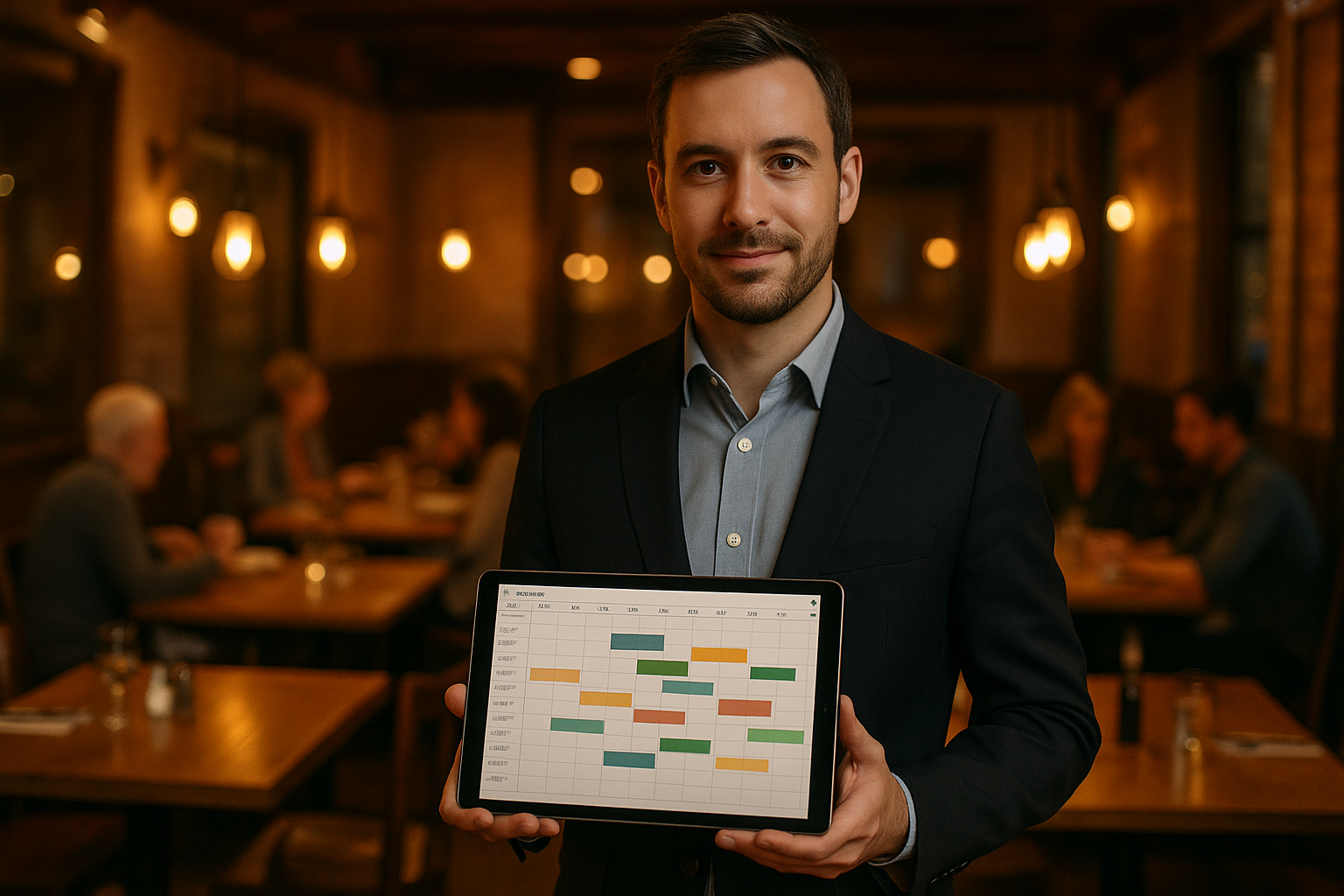
A warmly lit dining room with a host using a tablet showing a timeline grid; guests seated at tables in the background.

When subscription perks affect table turnover: what independents should do now

Introduction Loyalty schemes and subscription perks are powerful tools for driving repeat visits — but they can also change guest behaviour in ways that matter to independents. When a popular chain recently trimmed an unlimited beverage subscription, it highlighted a truth many operators already know: perks that reward time in-house can lengthen dwell time, reduce covers per service, and complicate the job of managing table turnover. For independent restaurants with tight seat capacity and narrow margins, the right operational controls matter more than ever. ...

July 13, 2026 · 4 min · 683 words · Tabledoo