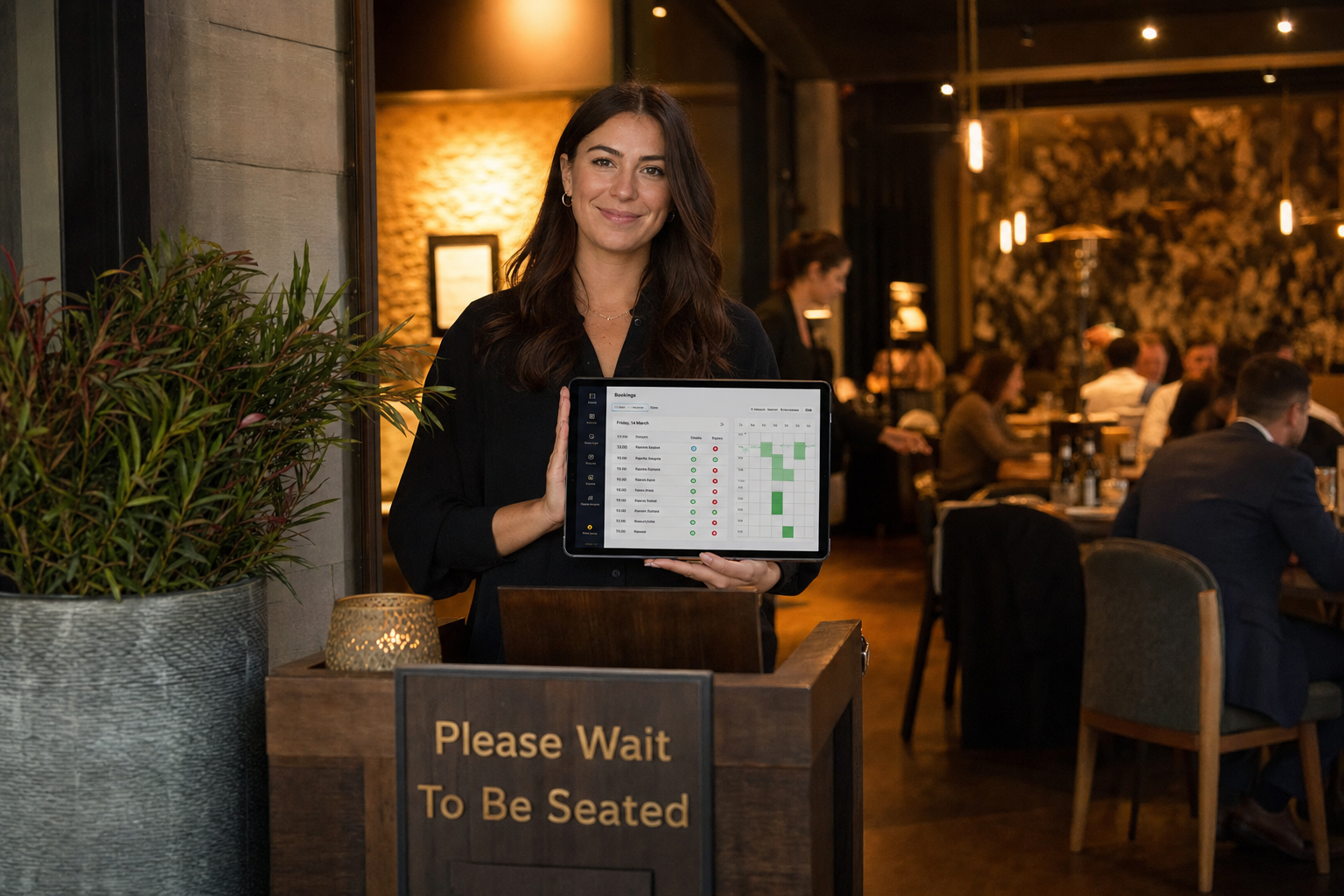
A viral menu item can fill seats overnight — and that is both a gift and a risk. Sudden, unscheduled demand strains the host stand, kitchen timing and the guest experience: longer waits, confused seating, higher no-shows and service quality that can undo the goodwill the post created. This post outlines practical, operator-focused ways to manage reservation spikes and convert social buzz into sustainable return visits using reservation pacing, branded booking pages, waitlists, events workflows, pre-order options, SMS reminders and digital menus.
Why viral hits are operationally dangerous
Viral social attention is often short and intense. Surveys show a meaningful share of diners say they’re more likely to visit a venue that’s gone viral — especially younger guests — but many restaurants miss the chance to convert that interest into an organised, profitable visit. At the same time, even modest no-show rates multiply the risk when demand surges: small percentages become dozens of empty covers on a night you’ve already turned away walk-ins.
Operational problems that follow a spike are predictable: host confusion over who to seat and where, overbooked time slots that compress service, and kitchen bottlenecks when the same dish or modifier is ordered en masse. Left unchecked, these outcomes damage guest perception and reduce the long-term value of the viral moment.
Tactical tools to manage spikes (what to set up today)
Reservation pacing: Limit the number of covers available per time slot so service remains steady. Use a system that supports fine-grained pacing (max covers per slot) and rolling slots vs fixed seatings so your team can choose the rhythm that fits the kitchen.
Branded booking pages and embedded links: Send social traffic straight to a clean, commission-free public booking page you control. Branded pages let you present rules (set menu, deposit policy, availability windows) and capture guest data at the moment of interest instead of letting demand go to untracked channels.
Dedicated event pages for big moments: If a viral item looks like a sustained demand driver, publish a short-run “event” or limited series on your booking page. Events let you sell specific dates or seatings, control capacity, and plan staff and prep ahead of time.
Waitlist + quick-seat workflows: Not all guests will book in advance. Use a waitlist that notifies guests by SMS when a table’s ready and a quick-seat workflow to convert walk-ins into covers without chaos. This keeps the host stand orderly while capturing guest contact details for follow-up.
SMS reminders and confirmations: Automated SMS (and email) reminders reduce no-shows and increase cancellations in time for rebooking. Send a reminder 24 hours and a shorter one a few hours before service to nudge guests and open slots if someone cancels.
Digital menus and at-table ordering: QR menus and table ordering speed turnaround and reduce friction. When staff aren’t tied to paper menus or repeated item explanations, kitchen and service flow improves even under pressure.
Turning one-night buzz into repeat covers
A spike is valuable only if you capture guests and encourage repeat visits. Use these practical follow-ups:
Tag and segment viral-origin guests in your CRM: Capture a simple tag (e.g., “viral-dish-XX”) at booking so you can track satisfaction and tailor offers. Those guests are high-value prospects for specials, tasting nights or loyalty incentives.
Follow up with a targeted message: Send a thank-you and a feedback request within 24–48 hours. Offer a small incentive for a return booking (discount on a set menu, early access to tickets) — short, measured offers work better than broad discounts.
Convert buzz into events or limited runs: If demand persists, schedule recurring slots or dedicated evenings around the hit item so the operation can plan for prep, staffing and supply. Event pages let you test demand for a paid or RSVP-only format without disrupting ordinary service.
Analyze and adapt: Use utilisation and booking funnel reports to understand where interest drops off (booking page abandonment, cancellations, peak no-show slots). Adjust pacing, messaging and staff rotas with real data rather than guesswork.
Next steps
If you want to manage reservation spikes without sacrificing service, start by limiting online availability per slot, publishing a branded booking page for social traffic, and enabling automated SMS reminders and a waitlist workflow. Combine that with a QR digital menu to speed table turnover and guest follow-up tags to turn one-night buzz into repeat covers. Learn how these tactics can fit your floor plan and service model by visiting https://tabledoo.com — our tools are designed to help venues protect guest flow and convert viral moments into lasting value.