Introduction
Loyalty schemes and subscription perks are powerful tools for driving repeat visits — but they can also change guest behaviour in ways that matter to independents. When a popular chain recently trimmed an unlimited beverage subscription, it highlighted a truth many operators already know: perks that reward time in-house can lengthen dwell time, reduce covers per service, and complicate the job of managing table turnover. For independent restaurants with tight seat capacity and narrow margins, the right operational controls matter more than ever.
Why dwell time and cover protection now deserve centre stage
Longer dwell time can be a win when it increases spend per guest, but it becomes a problem when it reduces the total number of covers you can serve during peak windows. Independents face competing demands: keep loyalty customers happy while protecting hourly revenue and avoiding long waits for walk-ins. At the same time, simple operational tools — enforced service slots, clear communication, and an efficient waitlist — let you shape guest flow without eroding guest experience.
Use minute-level visibility to plan for shifting guest behaviour
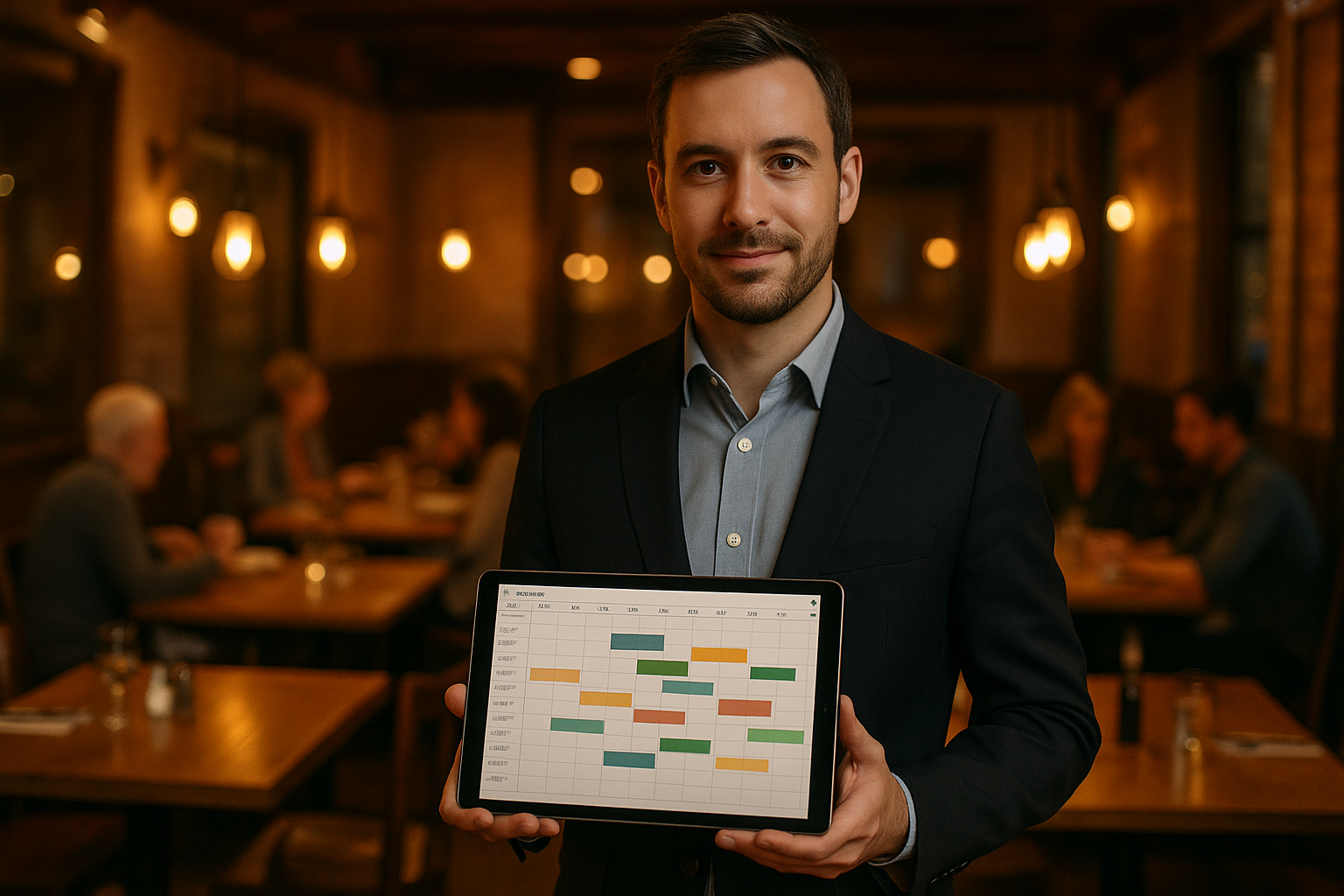
When subscription perks change how long guests stay, visibility is the first defence. Tabledoo’s timeline grid places tables on the vertical axis and time on the horizontal axis with minute-level precision — so you can see exactly where bookings cluster and which tables are likely to run late. That clarity helps you re-balance seat allocation by daypart, identify slow zones to promote, and spot occasions when loyalty perks will meaningfully compress turnover. In short: see the pressure before it becomes chaos.
Set and enforce service-time slots without sounding heavy-handed
One of the most effective ways to protect covers is to be explicit about expected service windows. Offering enforceable service-time slots (for example, 90 or 120 minutes per booking) gives guests predictability and helps staff set a steady rhythm. Tabledoo supports enforceable slots in the reservation flow so hosts can block realistic windows and the system prevents overbooking downstream. Framing these as guest-facing benefits — a guaranteed punctual service, a predictable wait time, or a reserved slot for late-evening regulars — keeps the message positive.
Reduce no-shows and last-minute uncertainty with automated reminders
Uncertain arrivals amplify every scheduling problem. Automated SMS reminders reduce no-shows and prompt timely cancellations so you can reassign covers. In practice, reminder flows that combine a same-day SMS plus an earlier confirmation significantly lower no-shows and increase advanced cancellations, giving hosts breathing room to fill freed slots. Tabledoo’s automated SMS and email templates make this low-friction: confirmations, reminders, and quick cancel links keep the front desk lean and the tables turning.
Turn your waitlist into a revenue-protecting workflow
When subscriptions cause guests to linger, your waitlist becomes the mechanism that either saves or wastes covers. A fast, transparent waitlist workflow that can text guests when a table is ready avoids lost walks and keeps turnover efficient. Use smart defaults for party sizes and table types, and prioritise a single-seat-first policy during constrained windows. Tabledoo’s waitlist features and public booking page work together so you can capture walk-ins, offer exact arrival windows, and convert last-minute openings into revenue.
Conclusion — practical next steps for independents
Subscription perks and loyalty rewards are part of modern hospitality — but guests’ behaviour can shift quickly, and independents can’t afford to react slowly. Start with three practical moves this week:
- Run a 7-day timeline audit to see how dwell time has changed by daypart. Use minute-level grid views to find pressure points.
- Publish clear service-time expectations in your booking flow and enable enforceable slots for peak services.
- Activate automated SMS reminders and a dynamic waitlist to lower no-shows and convert openings into covers.
If you want a turnkey way to address each of these steps, Tabledoo is built to help independent operators protect covers while preserving guest experience. Our timeline grid, enforceable service-time slots, automated SMS reminders, and waitlist workflow are designed to give you the visibility and controls you need when loyalty perks change guest behaviour. Try Tabledoo and see how better front-of-house management helps you protect revenue without alienating your best customers: https://tabledoo.com