Diners today treat mealtimes like a live market: prices, social posts and availability influence choices in the last few hours, and tables that felt guaranteed a week ago can vanish in an instant. That real‑time volatility — where a large share of covers are booked day‑of and cancellations cluster near service — turns peak hours into an auction. For independent restaurants, the response isn’t to compete on price; it’s to manage demand with clear rules, flexible windows and operational technology that turns uncertainty into predictable flow.
First section header
Why this matters now: many venues report that a majority of their reservations are made the same day or the day before service, and cancellations and late changes concentrate around peak times. That behaviour increases idle time between services, raises the chance of no‑shows, and compresses opportunities to sell additional covers. The net effect is lost revenue and stressed front‑of‑house teams.
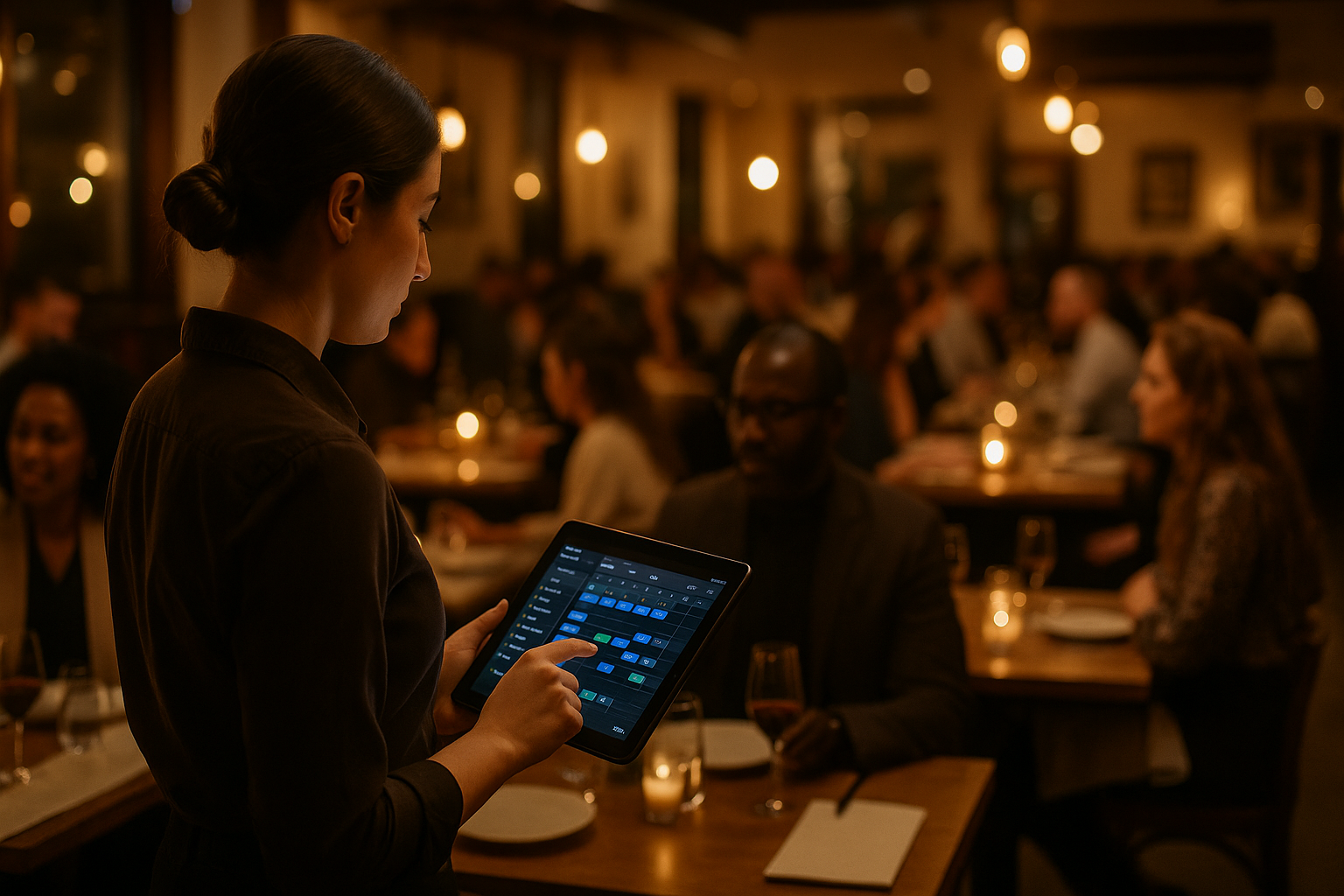
The practical fix is simple in concept but needs the right tools: capture fluctuations early, make seating decisions visible, and convert cancellations into covers quickly. Tabledoo’s timeline grid puts tables on the Y axis and time on the X axis with minute‑level precision so hosts can see exactly where pressure points form. When a party shortens or cancels, the timeline view makes the newly available slot obvious — not hidden in a list, but shown visually where staff can act immediately.
Second section header
Four operational levers that calm auction‑like demand
Clear reservation rules: Define service windows, minimum/maximum party sizes, and booking lead times. Clear rules reduce ambiguity for guests and staff, lowering surprises at the door. Tabledoo supports configurable reservation rules and public booking settings so the booking page only offers options you can service reliably.
Timeline‑driven decisions: A minute‑level timeline grid turns intuition into action. Instead of guessing whether a party will finish in 60 or 90 minutes, the timeline shows overlapping covers and allows hosts to intentionally stagger seatings to reduce bottlenecks.
Active waitlist management: When diners change plans, a good waitlist is the fastest way to refill prime slots. Tabledoo’s waitlist workflow and walk‑in flow let hosts offer quick seats or text guests when a table frees up — converting short‑notice demand into revenue rather than wasted time.
Reservation rules + automated reminders: Strong booking policies (e.g., deposits for large tables or peak nights) combined with automated SMS/email reminders reduce no‑shows and late cancellations. Operators who use timely reminders routinely see big reductions in missed covers; automation makes this reliable without adding work for staff.
Third section header
Using analytics to stop reacting and start planning
When dining feels like an auction, hindsight isn’t enough. You need forward‑looking patterns: which days attract last‑minute planners, which service windows compress turnover, and which guest segments are most likely to cancel. Advanced reservation analytics identify those patterns and turn them into rules. For example:
- If Friday dinner shows a spike in same‑day bookings but also a higher cancellation rate, you can hold a small percentage of inventory for walk‑ins and last‑minute converts rather than over‑committing every table to long covers.
- If two‑top bookings regularly convert to larger parties during holiday weekends, adjust your booking rules temporarily and set minimum spends.
- If reminders cut your no‑show risk substantially for midweek covers, schedule automated messages selectively to maximise ROI.
Tabledoo’s analytics and guest CRM make these trade‑offs visible. Instead of asking staff to remember habitual trends, you get reports on occupancy utilisation, reservation lead times, repeat guests and cancellation patterns so you can tune rules to local reality.
Next steps
Managing peaks doesn’t require a radical overhaul — it requires clearer rules, a visual operations layer and automation that captures last‑minute demand. If dining truly feels like an auction, make sure your restaurant is the bidder with the best strategy: hold the right inventory, fill gaps fast, and let data guide pricing and policies. Learn how Tabledoo’s timeline grid, waitlist management, reservation rules and analytics help independent restaurants regain control of guest flow and boost table turnover. Visit https://tabledoo.com to start a free trial and see the timeline in action.