Social storytelling—behind-the-scenes clips, chef narratives, and influencer recommendations—creates attention and trust. But attention only becomes revenue when it’s simple for a follower to become a guest. This post gives clear, operational steps restaurants can use to turn social posts into measurable reservations, using Tabledoo’s public booking page, embedded booking links, chatbot and guest CRM to reduce friction and track which content drives covers.
First section header
Start by removing friction between discovery and reservation. Social posts should end with a single, obvious action: reserve. Practical ways to do this:
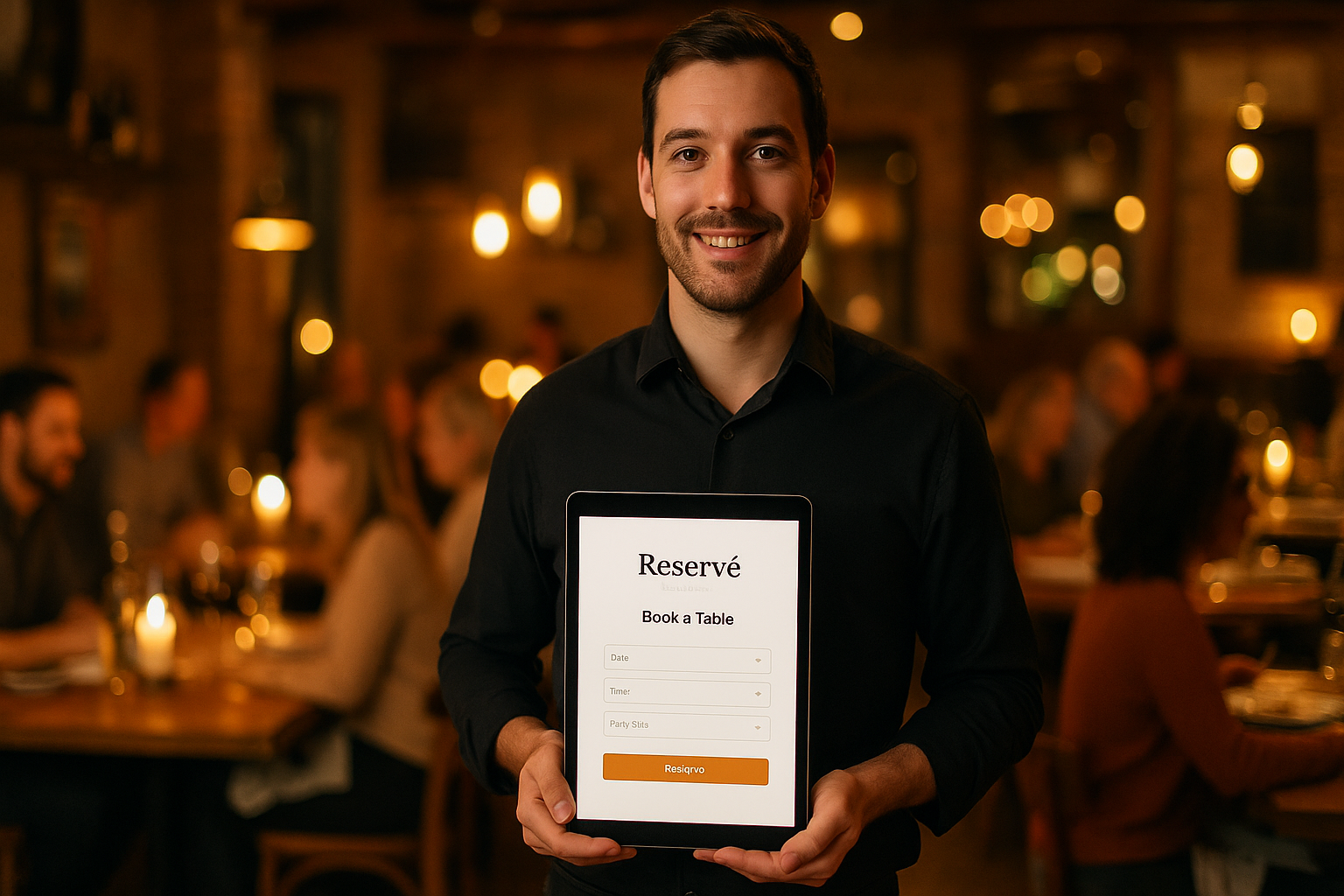
- Use a branded public booking page as the single canonical destination for all social links. Your booking page should be commission-free, mobile-first and fast so the guest can go from a post to a confirmed reservation in seconds.
- Put booking links in every high-traffic location: bio links, stories, reels captions, pinned comments and post CTAs. Also embed the booking form on your website to catch traffic from Google and link buttons on social platforms.
- For gen Z and younger audiences, direct-reserve experiences matter: many young diners say they’re more likely to book if they can reserve straight from the platform or a one-click link. (sevenrooms.com)
A straightforward public booking page reduces drop-off and lets you control the guest experience from the first click—brand the page, set booking rules and collect a guest’s preferences before they arrive. Tabledoo’s public booking page is designed for exactly this use: branded pages, embeddable booking forms and funnel reporting that show how many visitors convert to confirmed covers.
Second section header
Add conversational touchpoints to capture late-consideration guests and convert curiosity into bookings. Tactics that work in practice:
- Chat-first conversion: add an AI chatbot or chat bubble to your public page and website so visitors can ask about availability, dietary needs or events and receive an immediate booking link. A 24/7 chatbot handles basic FAQs and pushes guests to reserve without requiring staff intervention.
- Social DMs and link automation: when a follower DMs asking about a table, send a short reply with an embedded booking link and suggested times. Make those messages templated but personal—reference the post they saw to maintain authenticity.
- Phone and walk-in capture: use caller-screen pop and quick-seat workflows to convert inbound enquiries into reservations or waitlist adds.
These conversational flows reduce abandonment and let you capture data at the moment of interest. Tabledoo’s chatbot and call-pop features tie inquiries directly to reservations and create or update guest profiles automatically, so nothing is lost between a DM and a confirmed booking.
Third section header
If you can’t measure it, you can’t improve it. Track attribution and iterate on the storytelling that actually drives covers:
- Tag and segment by source: append UTM tags or custom parameters to each social campaign and create guest tags at booking to indicate the originating post, platform or influencer partner.
- Use booking funnel and guest analytics to see which posts, pages or channels convert. More consumers are moving to direct-booking channels, and monitoring your funnel shows whether social traffic becomes confirmed covers or drops out before reservation. (sevenrooms.com)
- Export or push events via webhooks for deeper analysis. Match reservations to specific posts or influencer campaigns so you can calculate cost-per-cover for paid promotions and measure return on creative effort.
Operational tips:
- Create short-lived promo codes or time-limited seat releases for social campaigns so you can track redeemed codes back to the post.
- Record a bite-sized follow-up process: a one-line thank-you SMS or pre-visit message tied to the campaign keeps conversion high and reduces no-shows.
- Build guest segments in your CRM (e.g., “saw chef story”, “influencer campaign A”) so you can remarket with high relevance.
Tabledoo’s guest CRM, booking funnel report and webhook/API access make it straightforward to attribute covers to the post level and to export that data for campaign ROI analysis.
Next steps
Start small: choose one social format—an Instagram story or a short chef Reel—and map the conversion path before you post. Add a single booking link to the asset, enable your public booking page and chatbot, and tag the bookings that come through. Measure for two weeks, then iterate on the creative or CTA that produced the best covers.
To see how these tactics work in a single front-of-house system, explore Tabledoo’s public booking page, chatbot and guest CRM at https://tabledoo.com and try a 14‑day free trial. Bring your storytelling and your reservations into the same dashboard so every post becomes a potential service.