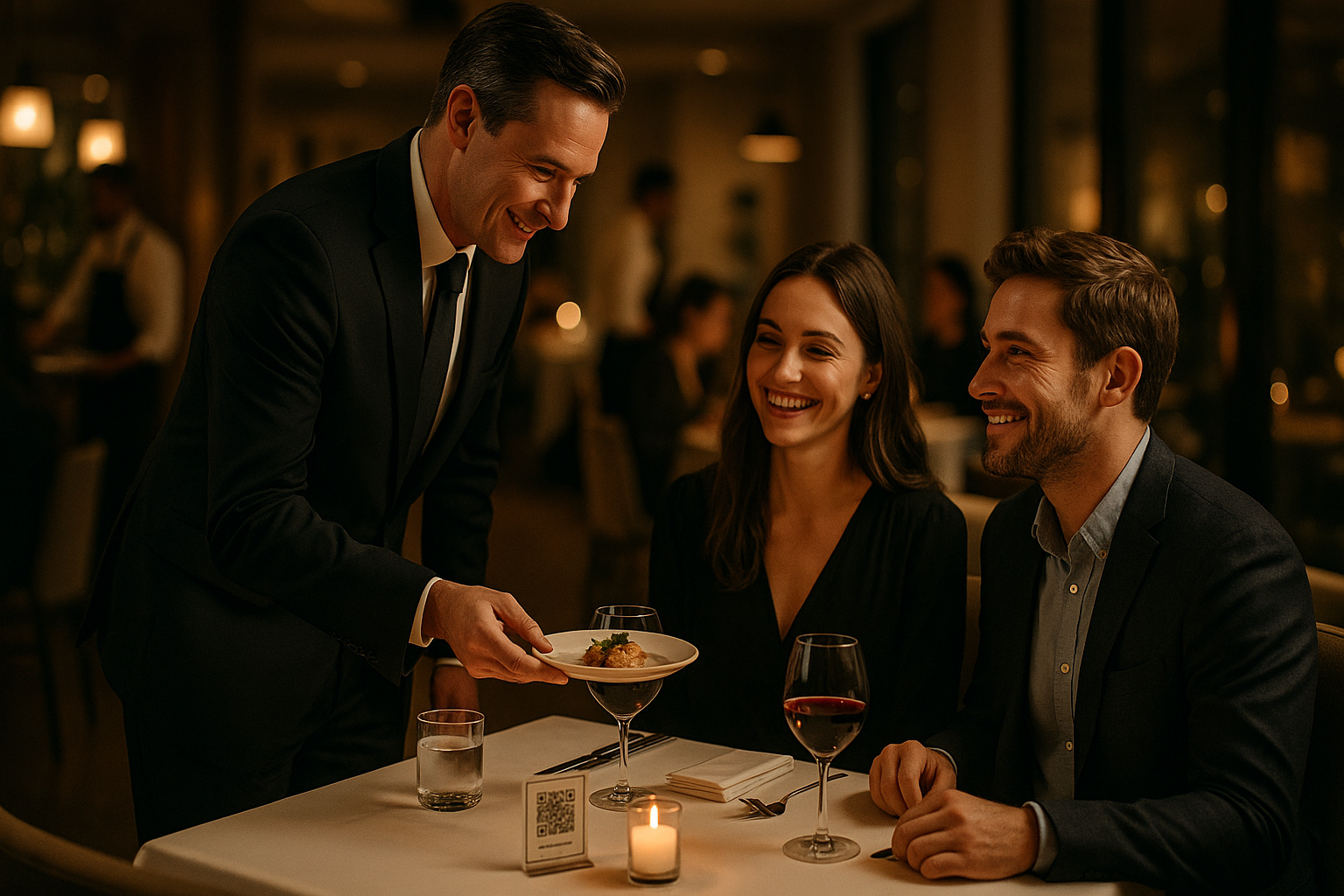
Diners are increasingly choosing fewer nights out but spending more when the experience feels unmistakably “worth it.” For operators, that means the booking moment is no longer just a logistics step — it’s a revenue opportunity to package premium experiences, reduce friction for guests, and set clear expectations that justify higher per-cover spend.
Why capture ‘worth-it’ demand at booking
Consumer research shows the shift toward experiences is broad and sustained: the share of spending on experiences grew noticeably in recent years, and most consumers say experience purchases are often worth the investment. (mastercard.com)
At the same time, diners report that getting their money’s worth is now the top consideration when choosing where to eat. Delivering a coherent, pre-sold experience — rather than relying on ad-hoc add-ons or surprise charges — is what convinces guests to spend more. (bcg.com)
This combination creates a clear business case: present curated, easy-to-buy premium options at the point of booking and you convert intent into higher average spend while improving guest satisfaction and perceived value. Operators who treat booking as the first step in the experience, not just a reservation, win both revenue and loyalty.
Practical tactics to sell premium reservations (without annoying guests)
Design simple bundles that clearly communicate value. Think a tasting menu with paired drinks, a celebratory package with a signed menu and dessert, or a priority seating option with a small starter delivered on arrival. Keep descriptions concise and price bands transparent so guests can make quick, confident decisions.
Present options at a natural booking moment. Use your public booking page to display one or two premium choices as optional enhancements — not a long list of fragmented upsells. Guests prefer curated bundles over overwhelming numerous add-ons, and conversion improves when offers are relevant and easy to accept.
Personalise the offer using guest history. Your guest CRM can surface past preferences (allergies, cuisines, VIP status) at booking so you show only suitable packages — for example, offering a seafood tasting to a guest who previously ordered fish-based dishes. Personalisation raises perceived relevance and increases take-rate.
Lock in revenue and reduce no-shows with partial prepayment for premium packages. For higher-value experiences, a small deposit or prepaid upgrade at booking makes the guest commitment explicit and protects margin for the operator.
Use the visit to continue the sale. Your QR digital menu is a stealth upsell channel: present upgrades, wine pairings, or add-on experiences to guests already primed by their booking choice, and let them order from the table. This seamless flow turns a booking decision into an on-premise increase in spend.
Operational setup: align tables, staff and tech to deliver value
Selling a premium experience at booking only works if front-of-house and kitchen are aligned. Use a real-time floor view to allocate the right tables to premium bookings so guests get the environment they paid for — quieter corners, better sightlines, or chef’s-table placements. Train hosts to confirm package inclusions at check-in and to use reservation notes from the CRM to flag dietary needs or special occasions.
Events management tools let you schedule dedicated experiences (chef’s tables, tasting nights, seasonal menus) and treat them as discrete inventory. Promote these through your booking page as limited-capacity offerings to create urgency and justify higher price points. Analytics then close the loop: track which bundles convert best, measure uplift in average cover value, and iterate on the winning packages.
This is precisely the workflow that increases per-cover revenue while improving guest satisfaction: curated products, clear promises, and flawless delivery. Operators report meaningful revenue gains when booking pages, CRM data and on-site upsell channels work as one coherent funnel. (blackboxintelligence.com)
Next steps
Start by auditing your guest journey at booking: what premium options can you describe in one sentence? Then map those products to inventory (tables or event slots), add them to your public booking page and tag them in guest profiles for personalisation. Use a small prepaid option for higher-priced packages and promote complementary QR-menu offers for on-visit upsells.
If you’d like a ready workflow to test this approach, Tabledoo combines a commission-free public booking page, guest CRM, events management and QR digital menus to help operators present premium offers at booking and capture higher spend while keeping operations smooth. Visit https://tabledoo.com to learn more and try a configuration tailored to your layout and menus.