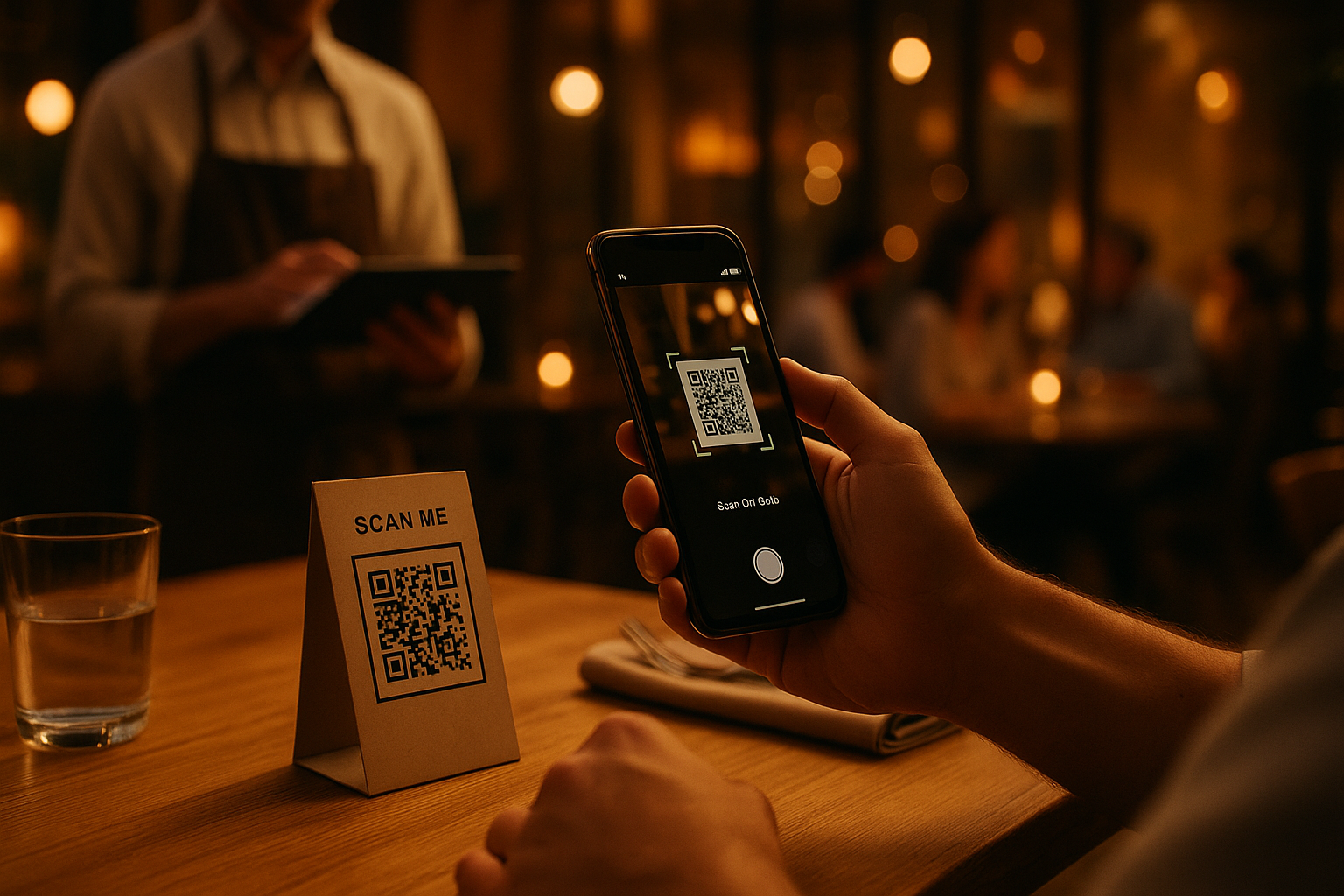
QR codes are no longer just a quick way to show a menu — when used dynamically they become a powerful first‑touch that can route guests into a personalised booking flow, capture preferences, and feed richer guest profiles. For independent operators in Europe, a thoughtful scan-to-reservation journey converts casual interest into confirmed covers, lowers no-shows, and gives your front-of-house the context they need to deliver memorable service.
Why dynamic QR codes change the first touchpoint
Static QR codes that always open the same PDF are useful, but they waste an opportunity. A dynamic QR code is a redirect: the same printed code can send different guests to tailored content depending on time, campaign, or even which table they scanned from. Use cases that matter for restaurants:
- Surface the right message by time of day (lunch set, early-bird offer, dinner tasting menu).
- Route returning guests to a pre-filled booking form that recognises previous preferences.
- Trigger loyalty sign-ups or a short survey that captures dietary needs before they arrive.
Industry momentum shows diners are comfortable using QR interactions and that venues investing in digital touchpoints see higher engagement. That makes QR codes an ideal bridge between in-venue browsing and your online reservation stack — not just a menu link, but a conversion gateway.
Building a personalised scan-to-reservation flow
Design the flow with friction in mind: every extra field reduces conversion, but the right few fields increase certainty and reduce no-shows. A practical flow we’ve seen work for independent venues looks like this:
- Guest scans a dynamic QR code. The landing page uses a short script to detect the source (table number, poster, socials campaign) and adapts content.
- Offer two clear choices: view menu or book a table. If they choose to book, present a short, mobile-first reservation form that pulls known data where possible.
- Add a lightweight preference capture (allergies, occasion, seating request) using radio buttons — no long text fields.
- On the booking page, present an AI assistant for quick questions: opening times, parking, menu highlights, or dietary suitability. A well‑trained chatbot reduces friction and increases booking confidence.
- Push the booking into your reservation system and guest CRM in real time, then trigger confirmation + reminder messages automatically.
With Tabledoo this becomes straightforward: you can publish a public booking page that accepts bookings without commission, enable the AI chatbot on that page to answer guest queries 24/7, and have every confirmed booking create or update a 360° guest profile. Use dynamic QR codes to direct scans to that same public booking page with URL parameters that pre-populate fields or tag the booking with source information.
Measure impact: fewer no-shows, richer guest profiles
The metrics you want to watch are conversion rate from scan to confirmed booking, pre-arrival preference capture rate, and no-show rate after introducing reminders and preference capture.
Small changes here compound: a short preference field on booking improves the guest profile (helpful for upsells and service), while an AI‑assisted booking experience raises conversion. Automated confirmations and reminders — SMS or email — capture the forgetful bookings and meaningfully reduce no-shows. When a reservation is linked to a guest profile, your team sees VIP status, past orders, and notes before the guest arrives, which improves service and repeat visits.
Operational tips to protect conversion and safety:
- Keep the booking form to essentials and use progressive profiling — collect more data on later visits rather than upfront.
- Use URL parameters or unique QR redirects to mark whether a scan came from a table tent, window poster, or marketing campaign.
- If you run promotions, use QR-based exclusives that require a small confirmation action (sign-up or opt-in) so the guest is more committed to attending.
- Feed booking events into analytics so you can compare scan-to-booking conversion across locations, menus, and campaigns.
Next steps
Dynamic QR codes are a low-cost, high-impact way to personalise the guest journey from first scan to table. Start by running a short A/B test: one QR that links to your standard menu and one that opens a tailored booking page with a chatbot and a single preference field. Track scan-to-booking conversion, update guest profiles automatically, and enable reminder messages to reduce forgotten bookings.
If you want a turnkey way to connect QR menus, AI chat on your public booking page, and a guest CRM that stores preferences and reservation history, visit https://tabledoo.com to start a free trial and see how these elements work together in one platform.