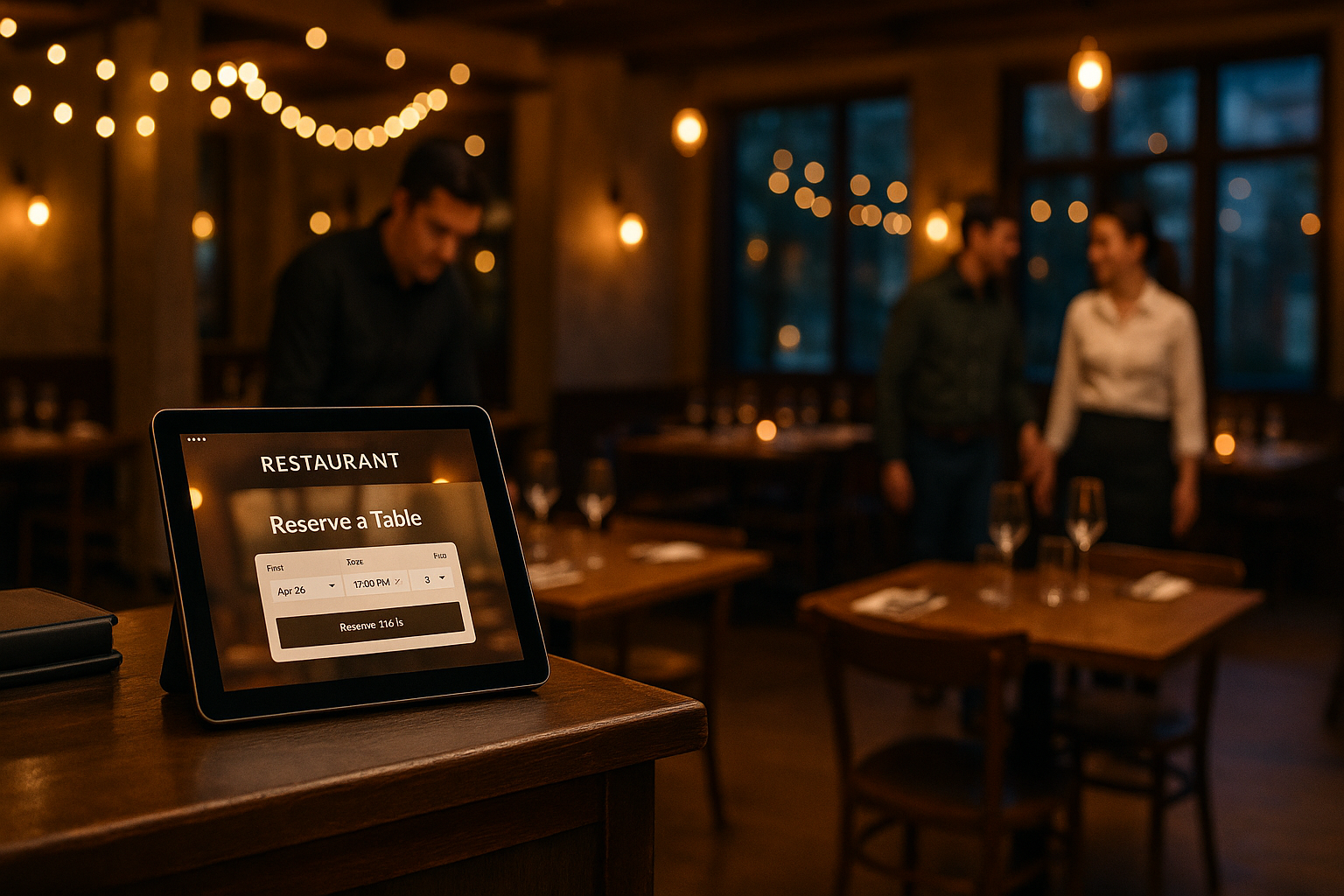
Dining choices are driven less by dramatic single decisions and more by habits: where people eat frequently becomes their default. For restaurants this is a huge opportunity. If you can make booking your venue the easy, habitual choice — the default your guests reach for without thinking — you convert casual covers into repeat revenue. In practical terms that means smoothing the path to booking (and returning) with a branded public booking page, intelligent guest profiles, timely reminders and an installable PWA that lives on a guest’s phone.
Why defaults matter in dining
Behavioural research and operator data point to the same conclusion: repeat visits matter, and most diners do not automatically return after a single experience. Industry reports suggest a large majority of first-time guests never come back unless nudged — and once a guest becomes a regular they behave differently, planning ahead and booking in advance more often. Habit reduces friction: people who already eat somewhere habitually are far more likely to reserve rather than improvise a walk-in.
For operators this changes the calculus. Rather than spending all resources on one-off acquisition, the most cost-effective growth lever is to turn occasional guests into habitual bookers. Making the booking flow visible, reliable and frictionless at every touchpoint is how you tilt behaviour toward that default.
Small digital nudges that shift guest behaviour
Defaults are created by tiny signals and conveniences. Here are practical nudges that change diner habits — and how they map onto features restaurants can deploy today.
- Make booking obvious and commission-free: a branded public booking page that’s fast to load, mobile-first and optimised for search converts casual interest into a committed reservation. When your booking page feels native to the restaurant brand, guests mentally place you in their rotation.
- Remember the guest: a guest CRM that stores visit history, preferences and notes lets you personalise confirmations and offers for return visits. When guests feel remembered they are more likely to form the habit of booking with you.
- Timely reminders that prompt action: automated SMS and email reminders reduce no-shows and spur people to confirm or reschedule rather than forget. Even a single well-timed reminder the day before turns uncertainty into a firm plan.
- Reduce friction after the visit: follow-up messages with an easy one-click rebooking link or an invite to save your venue to their phone promote the second visit — the most critical conversion point.
- Offer an installable PWA: a Progressive Web App makes your booking flow one tap away on a guest’s home screen without asking them to download from an app store. That shortcut is the technical equivalent of putting your restaurant on someone’s mental speed dial.
These nudges compound. A guest who books via your public page, receives a friendly SMS reminder, and can rebook via a saved PWA icon is far more likely to slot you into their dining routine.
Turning habit into reliable revenue — measurement and protection
Making booking the default also demands measurement: track first-to-second visit conversion, average rebooking lead time, and the impact of reminders on cancellations and no-shows. Use simple segmentation to find the guests most likely to become regulars — then treat them differently.
- Segment by visit frequency and lead time: guests who book 2–3 times a year are low-effort wins; convert them to monthly covers with targeted campaigns.
- Use reservation analytics to detect trends: which channels supply the highest future-frequency guests? Make those channels more prominent.
- Protect covers where no-shows hurt most: for high-cost dates or large parties use deposits and clear pre-visit messaging; for ordinary bookings, well-crafted reminders are often enough.
All of this works best when your booking system ties guest data, communications and the booking page together in one place. That lets you automate personalised nudges at scale without manual work at the host stand.
Next steps
Make your restaurant the obvious choice by designing booking into your guests’ routines: publish a fast, branded booking page; store and use guest history in a CRM; automate confirmations and SMS reminders; and offer an installable PWA so guests keep you a tap away. These are small changes that create a new default — one where patrons reach for your restaurant first.
Ready to make booking the easy default for your guests? Learn how Tabledoo’s public booking page, guest CRM, automated reminders and PWA can help you capture more repeat covers and turn frequency into direct reservations: https://tabledoo.com