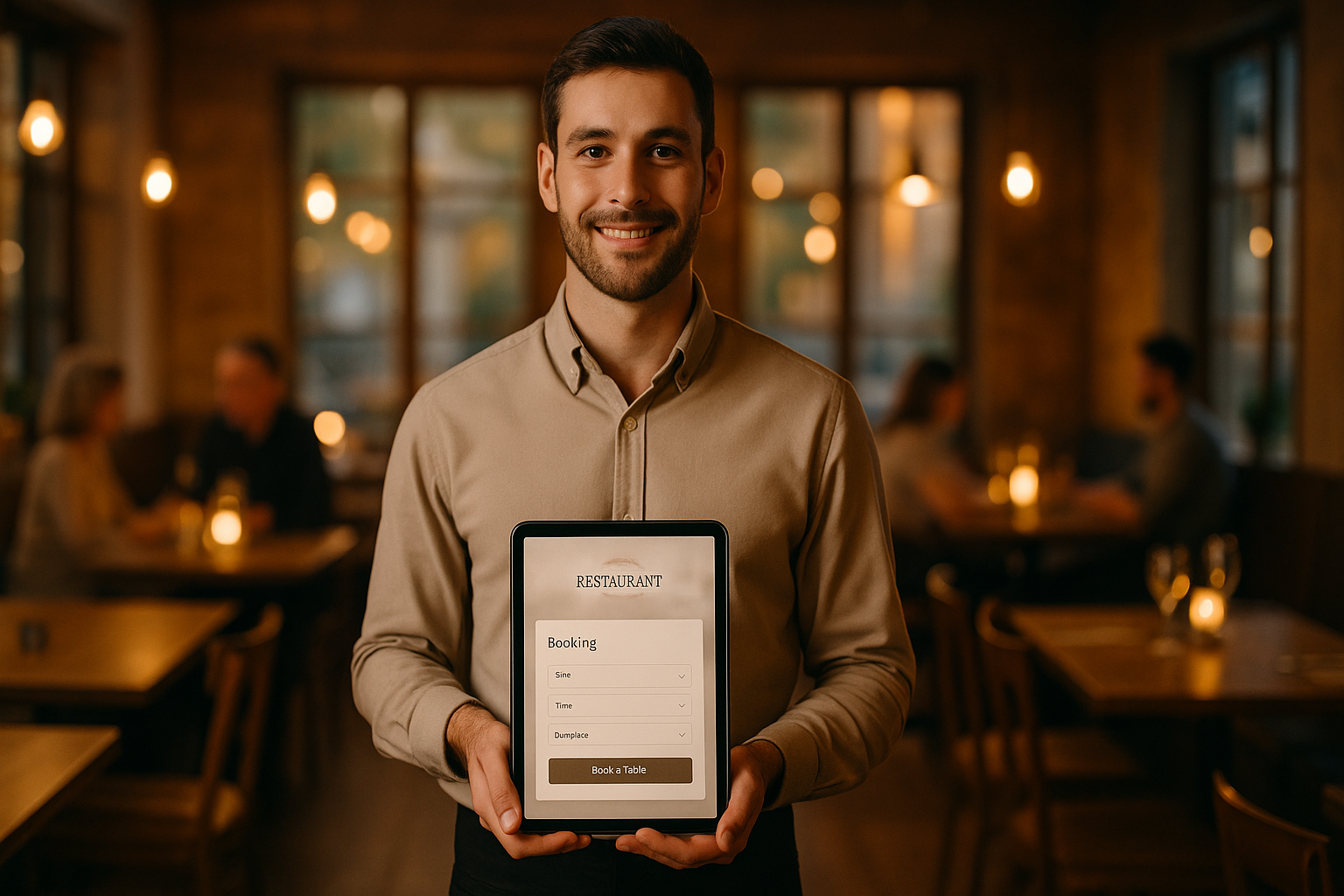
Every table booked is the result of a chain of small experiences: the moment a guest finds your venue online, the speed and clarity of the booking flow, the reassurance they receive before arrival, and the service they remember afterwards. For independent restaurants operating on tight margins, investing in customer experience across that booking funnel is not a luxury — it’s a revenue lever. Small, practical changes to how you take bookings, confirm guests and serve them on arrival can increase direct bookings, reduce no-shows and convert a one-off cover into a loyal regular.
Why customer experience across the booking funnel matters
Prioritising guest experience rewards restaurants in concrete ways. Operators that design smoother booking journeys and dependable guest communications see higher visit frequency, bigger average checks and stronger word-of-mouth — all of which reduce reliance on paid third-party channels. For independents this matters even more: repeat guests cost less to serve and spend more over time, and every avoided no-show preserves margin and preserves an evening’s labour planning.
From a practical perspective, the booking funnel is where most revenue leakage happens: confusing booking pages, slow confirmation times, missed reminders and inconsistent front-of-house handoffs. Fixing these friction points creates immediate improvements in conversion (more direct bookings), reliability (fewer no-shows) and lifetime value (more repeat visits and recommendations).
Practical investments that immediately lift bookings and reduce no-shows
Fast, branded public booking page: A commission-free, mobile-first booking page that matches your website and social channels removes friction. Guests should see availability, sections (if relevant), and a clear confirmation step in under a minute. A dependable, on-brand booking page also increases guest trust and reduces the temptation to book via third-party channels.
Automated confirmations and reminders: A single confirmation plus a short SMS or email reminder 24–48 hours before service dramatically reduces forgetful no-shows. Operators using a two-touch reminder cadence — confirmation at booking plus a reminder day-of or the day before with an easy cancel/modify link — typically report meaningful reductions in no-shows and more timely cancellations that free up covers.
Clear cancellation paths and two-way messaging: Providing a simple cancel or “can’t make it” link in reminders converts potential no-shows into released covers. Two-way SMS or email that allows guests to confirm or cancel with one tap reduces uncertainty for hosts and helps recover seats.
These are operational steps you can implement quickly. Features to look for when choosing tools: an SEO-friendly public booking page, combined SMS/email notification workflows, one-tap cancel links, and an AI or chatbot option on the booking page to answer simple guest questions outside service hours.
Turning covers into repeat customers at and after arrival
The booking is the start of the guest relationship, not the end. Convert a successful cover into loyalty with these practical moves:
Capture guest profiles and preferences: Build a small guest CRM over time. A profile that stores visit history, dietary notes or a VIP tag turns routine interactions into personalised service. Personal recognition increases spend and likelihood of a return visit.
Use QR digital menus and table ordering strategically: QR menus with attractive photos and easy ordering tend to increase average spend, and they reduce friction at peak service times. When guests can view enticing dishes and order without waiting, covers flow more smoothly and check sizes grow.
Post-service follow-up: A short thank-you message, an invitation to join a mailing list, or a targeted offer for a return visit (weekday discounts, set-menu nights) turns a satisfied guest into a repeat customer. Segment your guest lists by frequency and spend to make follow-ups relevant rather than spammy.
Measure and act: Track reservation conversion, no-show rates, average check and repeat visit frequency. Small experiments — for example, adding a photo gallery to your menu or changing reminder timing — produce measurable results. Use analytics to scale what works and to spot lapses in service consistency.
These elements are most effective when they work together: a branded booking page brings guests in, automated confirmations and reminders keep them coming, a guest CRM and QR menu personalise the visit, and analytics show where to iterate.
Next steps
Improving your restaurant guest experience need not be complex or costly. Start by auditing the booking funnel: test your public booking page on mobile, set up automated confirmation and reminder messages with an easy cancel option, and capture basic guest preferences at every reservation. Then layer in QR menus and guest segmentation so that each visit becomes an opportunity to increase spend and encourage return visits.
If you’d like to see how this approach looks in practice, explore a front-of-house platform that combines a commission-free public booking page, automated SMS/email notifications, a guest CRM and QR digital menus in one subscription. Discover how these features can be implemented in days, not months, at https://tabledoo.com