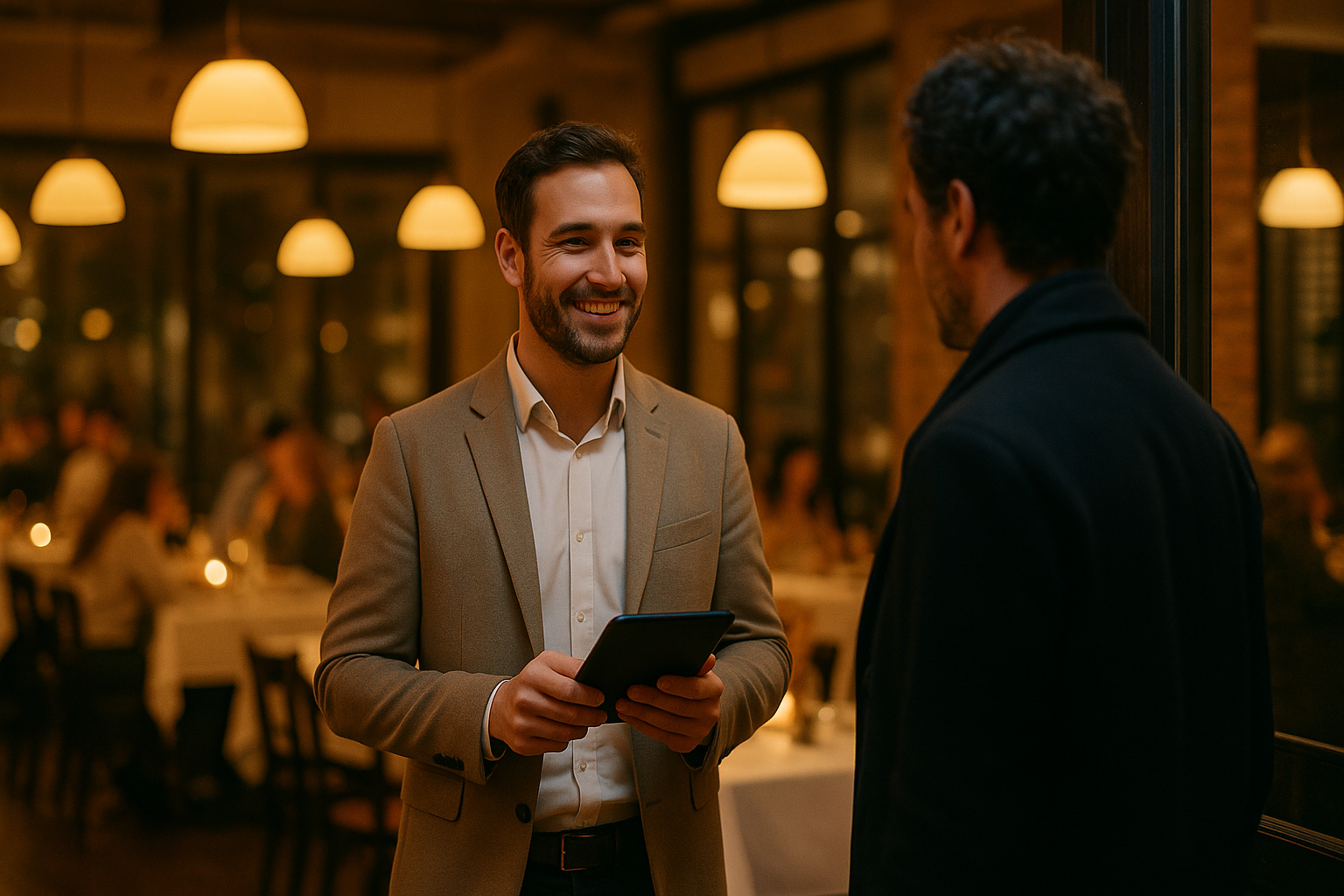
Busy services can hide a simple truth: when the dining room hums, many guests arrive, eat and leave without ever entering your booking book. Those ephemeral covers — walk-ins, near-miss parties, guests who leave because of a long wait — are invisible revenue and loyalty opportunities. With a few frontline habits and targeted digital tools you can convert ad-hoc covers into tracked reservations and repeat visits, increasing yield and turning one-night guests into regulars.
Why invisible guests matter (and where they hide)
A lot of operators think being busy means capturing every opportunity. In practice, walk-ins often make up a substantial slice of covers — in some operator datasets the share can approach four in ten covers — and yet many of those remain anonymous to the business. (go.sevenrooms.com)
That invisibility costs more than a single cover: repeat customers typically generate a disproportionate share of revenue and spend more per visit. Operators that prioritise capture and retention benefit from steadier demand and lower acquisition costs. Turning casual guests into known guests is one of the most efficient ways to grow net revenue without adding covers. (pymnts.com)
Practical frontline steps to capture walk-ins
- Train your host team to treat every walk-up as a booking opportunity. A brief ask for name and phone or an offer to add them to a short digital waitlist costs seconds and saves future marketing effort.
- Keep a simple script: welcome, estimate wait, offer SMS notification or a nearby-seat option, and ask permission to add the guest to your contact list for special offers or priority booking. Clear language reduces friction and improves opt-in rates.
- Use visible, guest-facing prompts at the host station: a small sign offering to text when a table frees up or to register for a loyalty offer nudges guests to share contact details without pressure.
These human habits make later automation effective: a name and phone number captured at the door feed directly into follow-up offers, birthday messages, or a simple rebooking prompt after a great meal.
Digital tools that turn a queue into customers
Technology bridges busy nights and long-term revenue when it is simple for staff and guests. Three practical features prove their value during service:
- Digital waitlists and walk-in flows: letting hosts add a party to an on-screen waitlist and send an automatic SMS cuts walkaway rates and captures contact data at the moment of service. When a guest accepts an SMS instead of a paper ticket, you gain a channel for rebooking and feedback.
- QR-enabled contact capture and menus: QR menus have become a trusted route for guests to interact with your venue and access information. A QR menu that optionally prompts guests to leave an email or phone number for order updates or offers converts a casual scan into a tracked touchpoint. (op.europa.eu)
- Public booking page and guest CRM: a commission-free, branded booking page gives spontaneous guests a simple route to reserve for their next visit. When those bookings and walk-in entries populate a CRM, you build guest profiles with visit history and tags — the foundation for personalised offers and true loyalty.
Bringing these systems together (a live waitlist that feeds the CRM, QR scans that can create guest records, and a simple public booking link) converts one-off covers into repeatable revenue paths.
Small changes that compound: workflows to adopt this week
- Make opt-in capture a measurable KPI: track how many walk-ins you add to the waitlist or CRM each week and set a modest growth target.
- Standardise messages: use templated SMS confirmations and short rebooking nudges sent 24–72 hours after visits. Automation reduces staff time and increases conversions.
- Close the loop with a short incentive: a small future booking discount, a free drink for returning within a month, or priority seating for repeat visitors are low-cost drivers that move a guest from anonymous to loyal.
On busy nights, these workflows should add no more than a few seconds per party but deliver outsized returns when applied consistently.
Next steps
Start by auditing how your venue currently handles walk-ins for one week: how many are seated, how many leave, and how many provide contact details. Then introduce a digital waitlist or walk-in flow at the host station, add QR prompts for contact capture on menus, and ensure those records feed into your guest CRM and public booking page. Small operational changes plus the right tools will convert invisible covers into known guests — and turn one-off nights into regular business.
Ready to put this into practice? Visit https://tabledoo.com to see how waitlist management, walk-in flow, QR menus and guest CRM work together to convert walk-ins to bookings and grow repeat visits.