Allergen-safe dining is no longer a niche concern — it shapes who books, who turns up, and how often guests return. Recent industry research shows many allergy-sensitive diners will abandon a booking or avoid eating out entirely if allergen details are missing or unclear. For European operators, publishing clear allergen information across booking channels and menus isn’t just compliance or good practice: it’s a measurable way to win bookings, cut last-minute cancellations, and protect margins.
Why allergen transparency matters
Unclear or hidden allergen information creates friction at two points: before booking and at service. Research and industry surveys highlight three operator-facing truths:
- A large share of allergy-sensitive diners avoid eating out when they cannot find reliable allergen information — in some surveys this reaches around 60% of respondents.
- Over half of diners with allergy concerns actively check written or digital menu information before ordering; many will also flag requirements on booking forms.
- When guests don’t trust the information available, they either cancel, choose a different venue, or refuse to eat at the table — all of which reduce covers and harm revenue.
The upshot for operators is clear: visibility equals trust. Making allergen details easy to find removes the biggest barrier to conversion for a growing and loyal customer segment.
Where uncertainty costs covers (and reputation)
Ambiguity about allergens does more than risk a reaction — it costs bookings and staff time. Common failure points we see across restaurants include:
- Sparse online presence: many venues still fail to publish up-to-date allergen information on their public websites or booking pages, so potential guests drop off before they click confirm.
- Inconsistent on-premise communication: chalkboards, menus, and staff briefings don’t always match what’s online, which undermines confidence and increases the chance of last-minute cancelations.
- Limited capture of guest needs: when booking systems don’t collect allergen notes or tag returning guests, front-of-house teams lack the context needed to seat and serve safely and efficiently.
Left unaddressed, these weaknesses lead to repeat revenue loss: allergy-sensitive diners are often loyal when served safely, but they won’t risk an uncertain experience.
Practical steps to surface allergen info at booking — and how Tabledoo helps
Operators can reduce lost bookings and cancellations by making allergen information omnipresent and actionable. Practical steps include:
- Publish clear allergen labels on the public booking page and on every online menu so guests see them before they book.
- Add a required or clearly signposted allergen/dietary field on booking forms so front-of-house teams receive the information with the reservation.
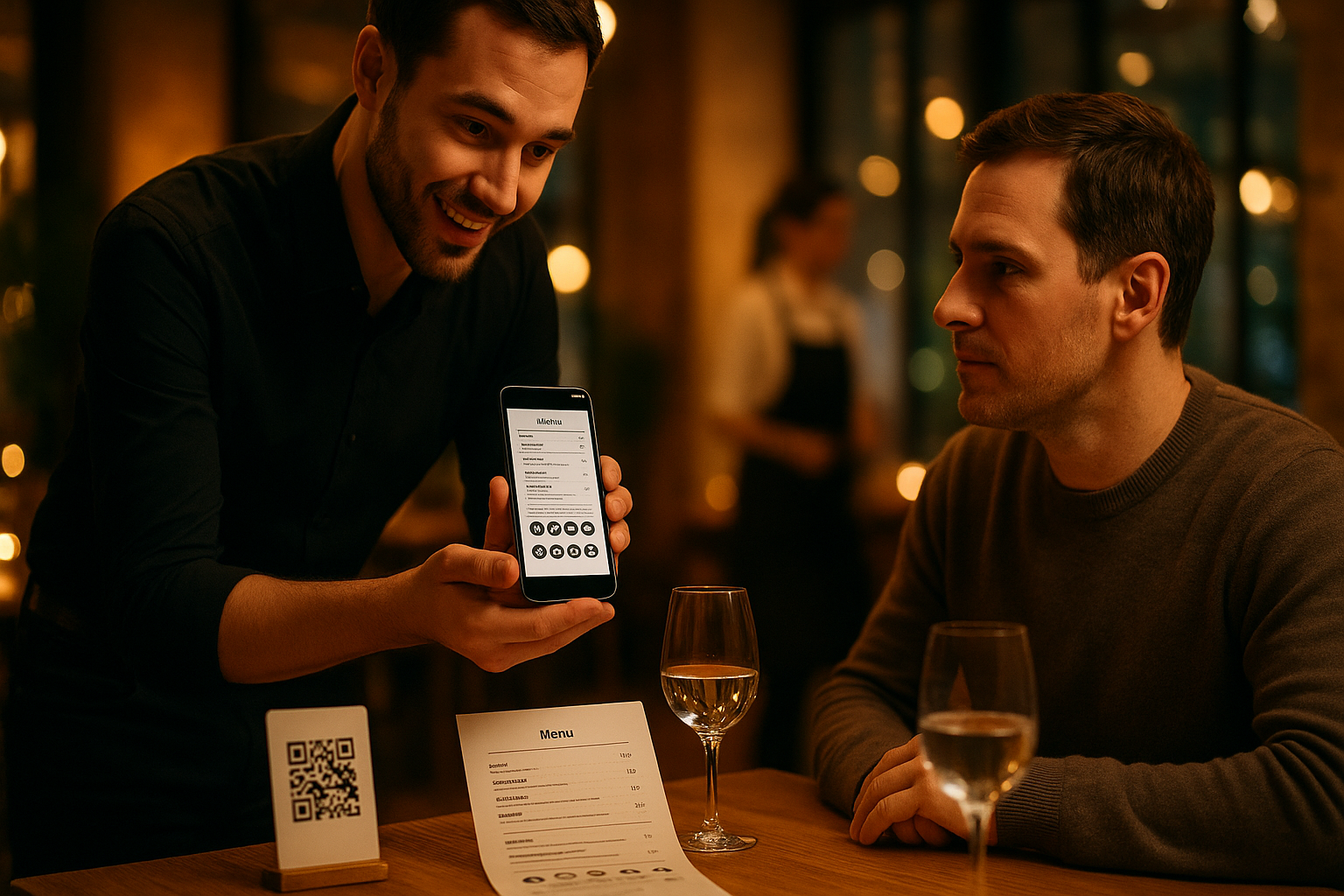
- Surface the same allergen details in QR digital menus at table level to ensure consistency between online and in-person information.
- Tag guest profiles in your CRM when a dietary need is recorded; use those tags to prioritise seating, prep, and staff briefings for return visits.
- Provide a 24/7 channel for basic allergen questions to reduce pre-service phone volume and reassure wary diners.
Tabledoo is designed to make these steps straightforward for busy teams. Use the platform to:
- Publish a commission-free, branded public booking page with prominent allergen information so guests can see ingredient flags before they book.
- Add allergen and dietary fields to the booking flow and automatically create guest CRM tags for allergies and intolerances — giving staff instant context on arrival.
- Link QR digital menus to the same menu data so online and on-table information stays consistent and up to date.
- Deploy the AI chatbot on your public booking page to answer common allergen questions 24/7, reducing lost bookings and unnecessary calls.
- Automate confirmation and reminder messages that include allergen notes, giving guests reassurance and lowering no-shows.
These changes are operationally light but commercially meaningful: small increases in conversion and reductions in cancellation have outsized effects on weekly covers and staff productivity.
Next steps
Start by auditing where guests look for allergen info — your website, booking page, third-party listings and QR menus — and fix the easiest disconnects first. Add clear allergen fields to the booking flow, tag guests in the CRM when they disclose requirements, and use a 24/7 chatbot to answer routine questions outside service hours. If you want a single platform that ties these pieces together — booking page, QR menu, guest CRM tags and a 24/7 AI assistant — explore how Tabledoo can help protect covers and build trust with allergy-sensitive diners: https://tabledoo.com
By making allergen transparency a visible part of the booking journey, restaurants win bookings, reduce last-minute cancellations, and turn cautious diners into loyal regulars.