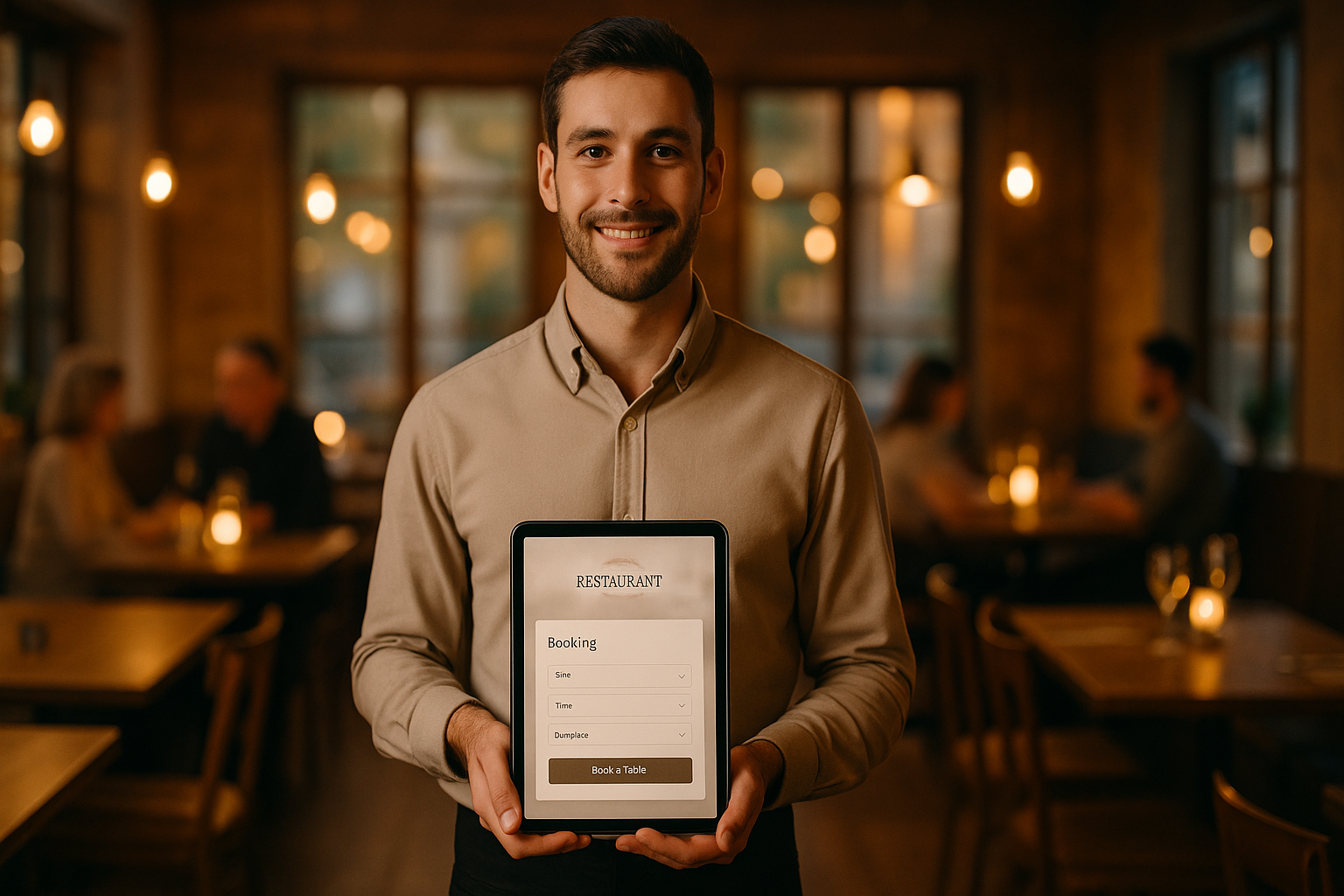
Warmly lit restaurant interior with a host holding a tablet showing a booking page, guests seated in the background

Championing Customer Experience to Grow Bookings: Practical steps for independent restaurants

Every table booked is the result of a chain of small experiences: the moment a guest finds your venue online, the speed and clarity of the booking flow, the reassurance they receive before arrival, and the service they remember afterwards. For independent restaurants operating on tight margins, investing in customer experience across that booking funnel is not a luxury — it’s a revenue lever. Small, practical changes to how you take bookings, confirm guests and serve them on arrival can increase direct bookings, reduce no-shows and convert a one-off cover into a loyal regular. ...
August 23, 2026 · 4 min · 796 words · Tabledoo
Host greeting arriving guests at a restaurant entrance with a tablet showing reservation details on a wooden podium

Why hospitality can't be fully automated: balancing AI with human service in reservations and front-of-house

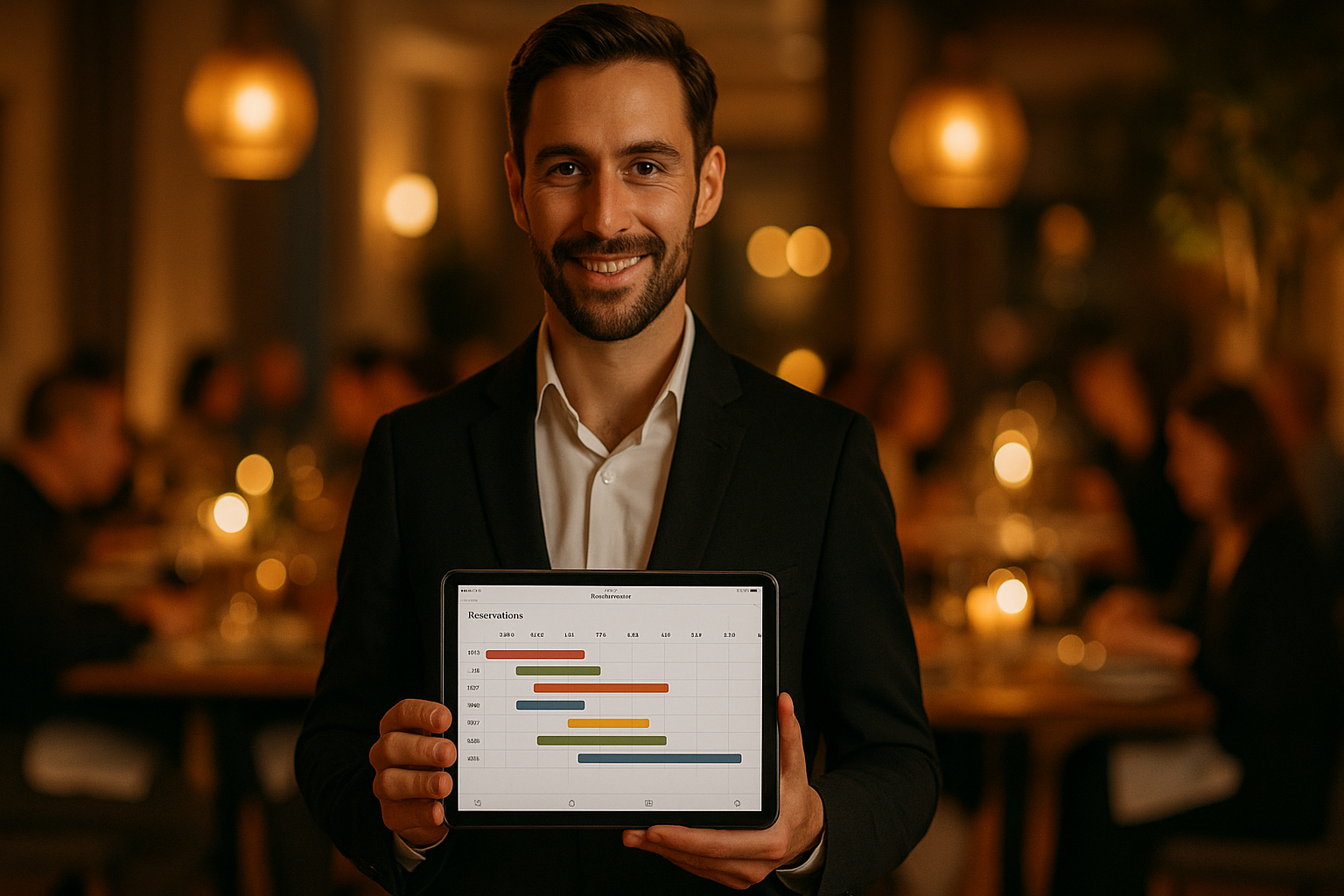
Automation in reservations is no longer optional — it’s how many restaurants remove friction, cut no-shows, and free staff for the parts of hospitality that matter most. But efficiency should support, not replace, genuine human connection. In our experience working with hundreds of European venues, the smartest approach is a hybrid: use reservations automation for routine touchpoints, and protect live, staff-led moments where warmth and judgement create loyalty. Why reservations automation matters Reservations automation tackles low-value, high-frequency tasks so teams can focus where they add the most value. Automated confirmations, reminder SMS and email, and an always-on booking interface reduce administrative load and dramatically lower the likelihood of empty prime-time covers. Operational features like minute-level timeline views and conflict detection mean hosts spend less time juggling spreadsheets and more time planning smooth turn times. ...

August 22, 2026 · 3 min · 636 words · Tabledoo
A busy European restaurant front-of-house with a host using a tablet to manage bookings, warm lighting

When Growth Changes Your Role: Scaling Reservations and Front‑of‑House Operations for Growing Restaurants

As restaurants grow, owners commonly find their daily priorities shifting: where once they managed covers and coached staff at a neighbouring table, they now need to set strategy, hire and train teams, and protect the guest experience across more services and shifts. That shift—from hands‑on operator to business owner—creates pressure points around delegation, consistency and time management. The right reservation and front‑of‑house (FOH) tools let owners stop firefighting and start building repeatable systems that deliver the same guest experience regardless of who’s on duty. ...

August 15, 2026 · 4 min · 664 words · Tabledoo
Guest checking allergen information on a restaurant booking page via phone while seated at a warmly lit table

Allergen transparency: How showing allergy info at booking boosts trust and covers

Allergen-safe dining is no longer a niche concern — it shapes who books, who turns up, and how often guests return. Recent industry research shows many allergy-sensitive diners will abandon a booking or avoid eating out entirely if allergen details are missing or unclear. For European operators, publishing clear allergen information across booking channels and menus isn’t just compliance or good practice: it’s a measurable way to win bookings, cut last-minute cancellations, and protect margins. ...

August 11, 2026 · 4 min · 739 words · Tabledoo
Host using a tablet to manage a busy restaurant floor with warm lighting and guests dining in the background

Staff Shortages and Reservations: Practical Steps to Protect Guest Flow

Front‑of‑house teams are stretched thin across Europe as labour markets tighten. Operators who protect guest flow and table turnover with sensible automation — not by cutting service corners — will keep covers moving, control revenue per seat, and preserve the guest experience even when hiring is hard. Why staffing gaps increase front‑of‑house pressure When restaurants have fewer hands on deck the workload concentrates on booking management, guest communications, and on‑the‑fly seating decisions. Recent labour reports show continued month‑to‑month weakness in leisure and hospitality employment in the U.S., highlighting how quickly operational pressure can rise when staffing falls. (kiplinger.com) ...

August 9, 2026 · 3 min · 593 words · Tabledoo
Cozy independent restaurant interior with a small group of young diners, warm lighting, and a host checking bookings on a tablet

Adapting Reservations for 'Soft Socializing': How Independents Can Win Weekend Covers from Gen Z

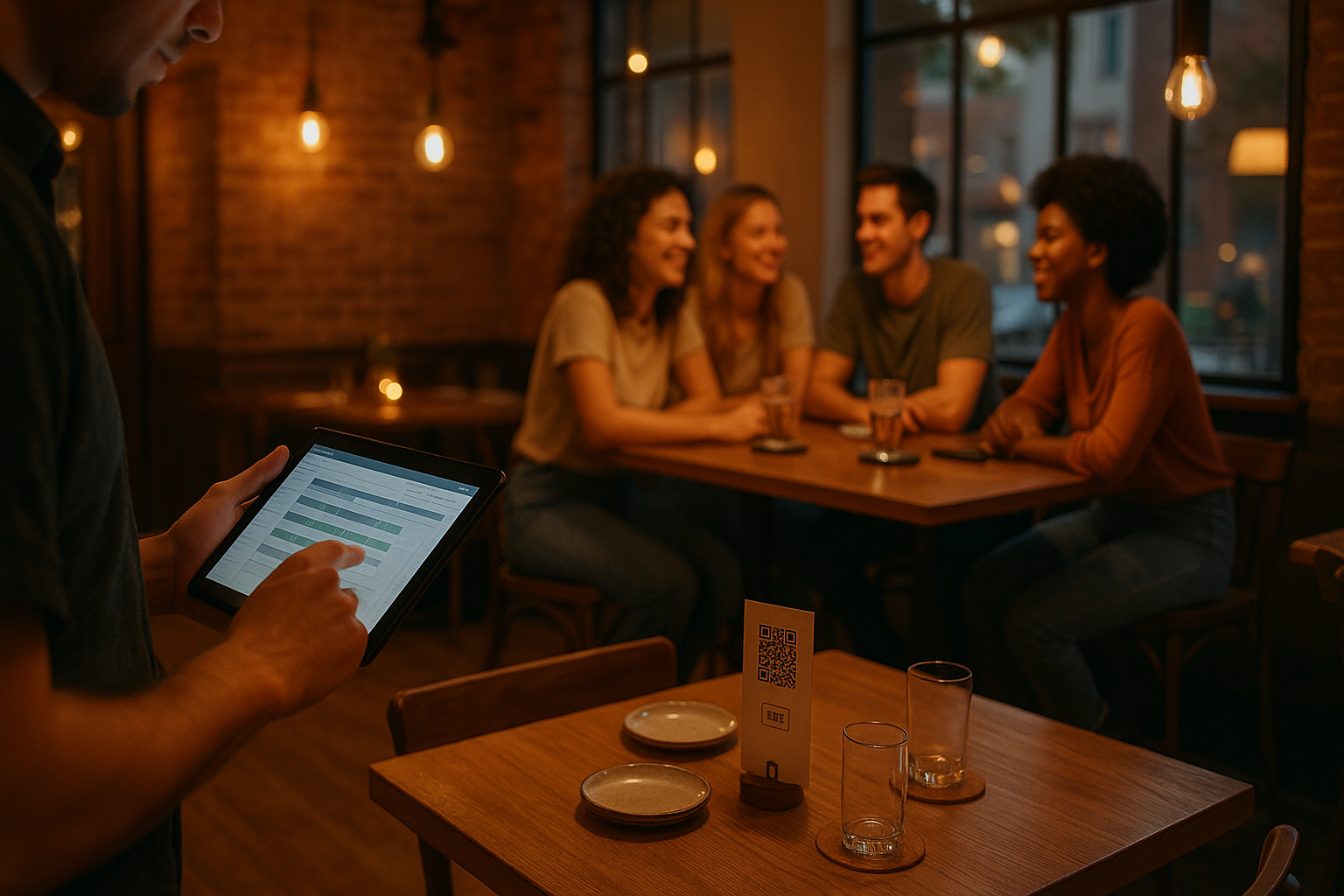
You may already be noticing quieter, shorter bursts of covers across your weekend shifts: two friends meeting for an hour between shifts, a three-person midday catch-up, or a small evening meet-up that wants low cost and low pressure. This is the shift many operators are calling “soft socializing” — Gen Z-led gatherings that are shorter, more affordable, and experience-focused. For independent restaurants, that pattern can erode traditional weekend peaks unless you adjust how you sell, seat, and staff for these small, frequent bookings. ...

August 5, 2026 · 4 min · 771 words · Tabledoo
Guests using a phone to scan a QR code at a warmly lit restaurant table

How QR Codes Can Personalise the Guest Journey — From Scan to Reservation

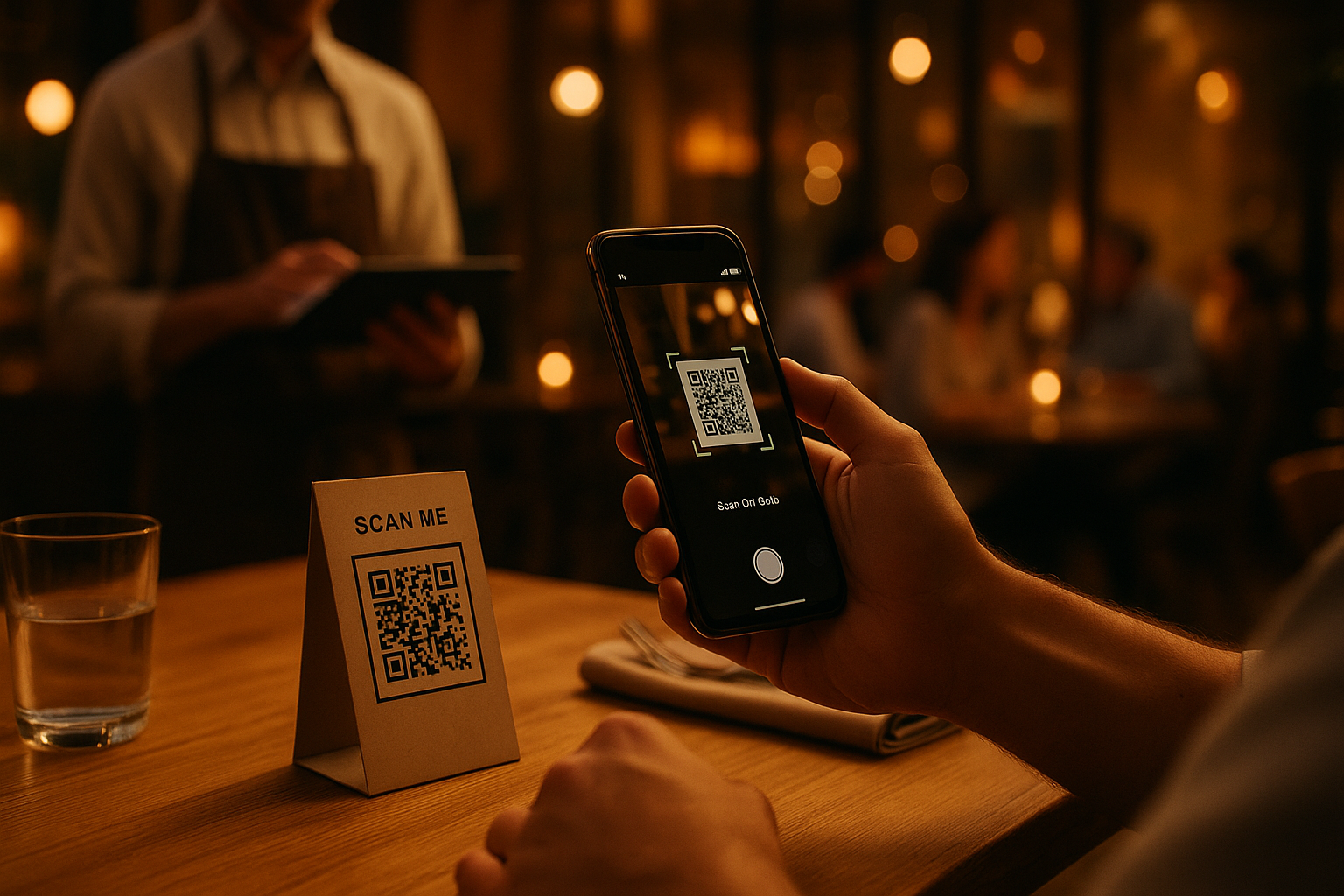
QR codes are no longer just a quick way to show a menu — when used dynamically they become a powerful first‑touch that can route guests into a personalised booking flow, capture preferences, and feed richer guest profiles. For independent operators in Europe, a thoughtful scan-to-reservation journey converts casual interest into confirmed covers, lowers no-shows, and gives your front-of-house the context they need to deliver memorable service. Why dynamic QR codes change the first touchpoint Static QR codes that always open the same PDF are useful, but they waste an opportunity. A dynamic QR code is a redirect: the same printed code can send different guests to tailored content depending on time, campaign, or even which table they scanned from. Use cases that matter for restaurants: ...

August 1, 2026 · 4 min · 738 words · Tabledoo
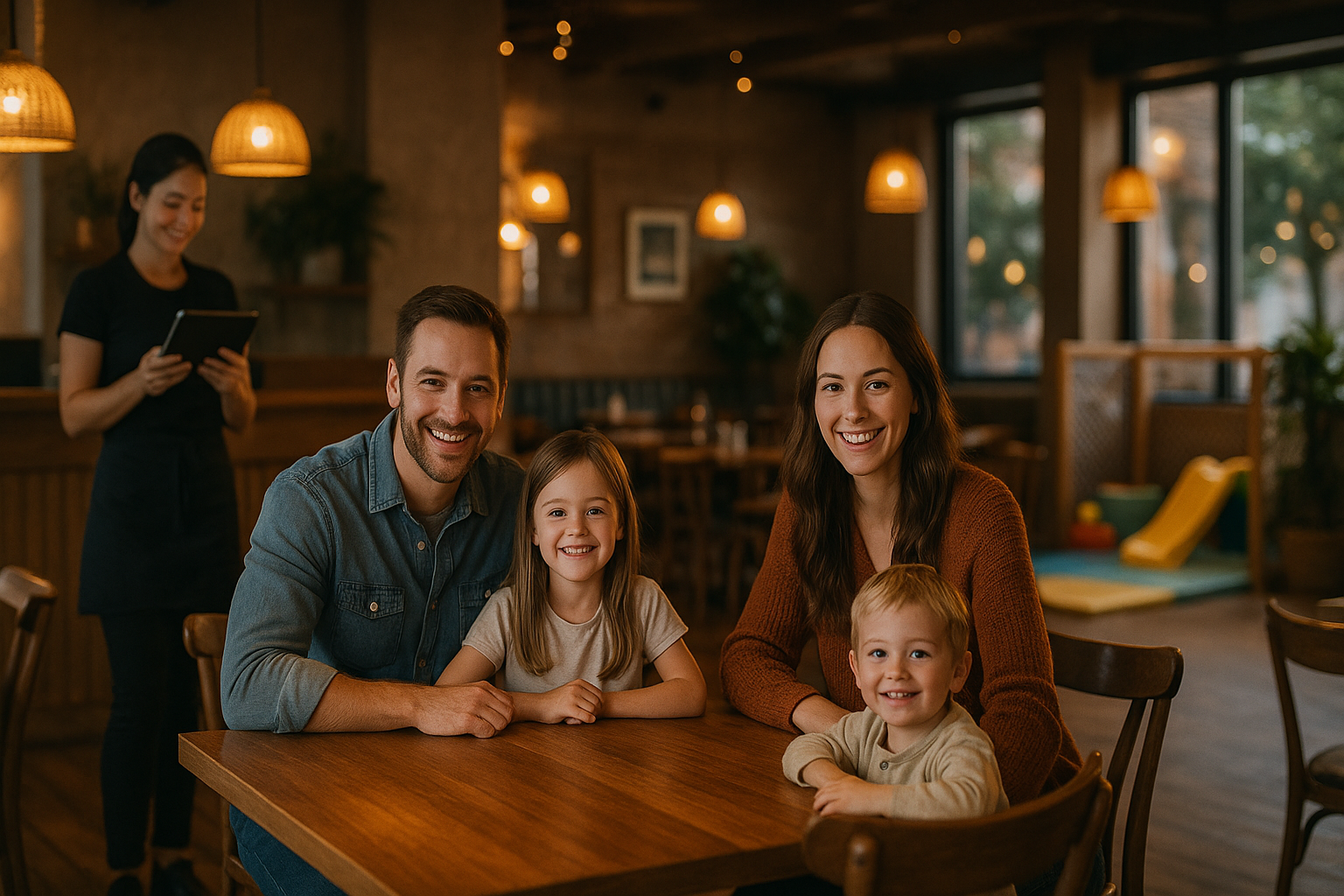
Families dining in a bright independent restaurant with a small supervised play area visible, warm lighting, host seating guests

Managing play‑area demand and family bookings: reservation tactics for independent restaurants

Families are an invaluable repeat business segment: they bring group covers, longer dwell times and predictable midweek demand — but they also create operational complexity when in‑restaurant play areas, supervision needs and kids’ preferences enter the picture. Independent operators who want to welcome parents without disrupting covers must balance capacity, staffing and booking hygiene. In practice this means reserving the right tables, scheduling limited play‑area slots, capturing dietary and seating needs at booking, and using reminders to keep no‑shows to a minimum. ...

July 30, 2026 · 4 min · 735 words · Tabledoo
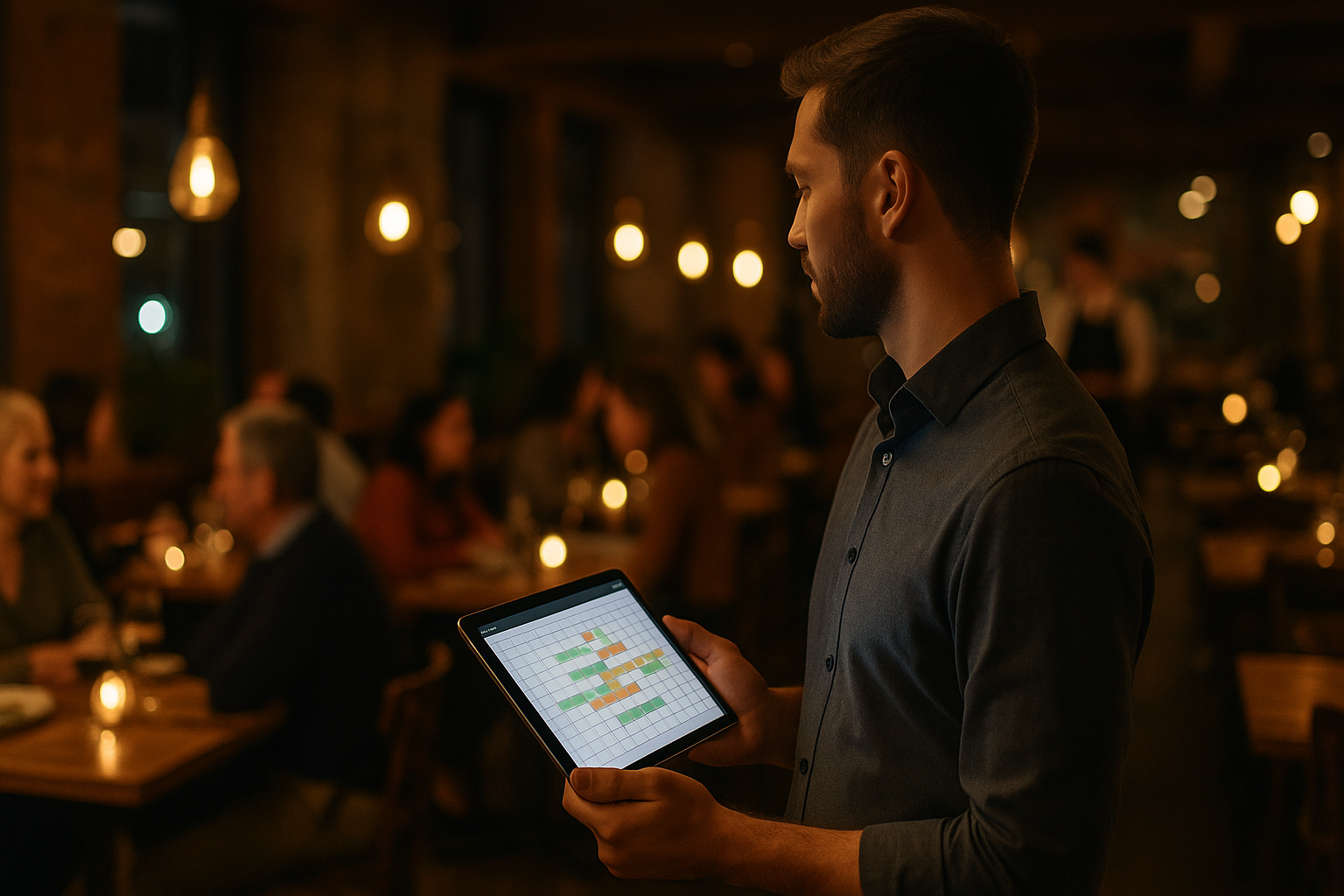
Host checking a tablet with a reservation timeline in a warmly lit independent restaurant

Preparing Your Reservation Data for AI: How Independents Can Turn Bookings into a Real Data Foundation

AI only amplifies what’s already in your systems. For independent restaurants that means the single most valuable dataset you already collect is your reservations and guest history. If that data is messy, fragmented or missing consent flags, any AI you add later will scale the problems — not the gains. This post gives practical, operator-focused steps to turn bookings into a clean, centralised data foundation, and explains how Tabledoo’s reservation system, guest CRM, analytics and webhooks help you prepare for AI-driven improvements in marketing, operations and service. ...

July 28, 2026 · 4 min · 776 words · Tabledoo
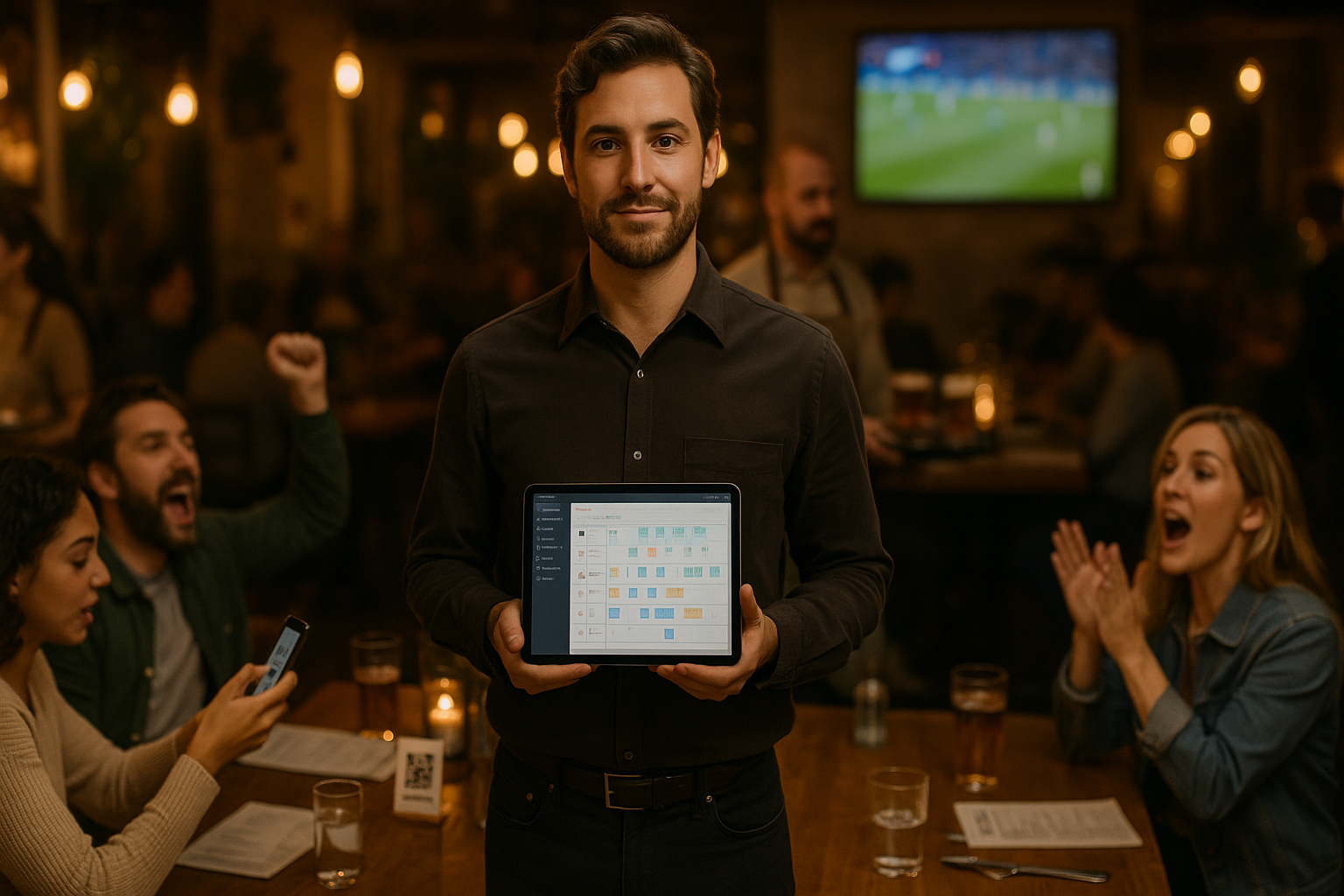
A busy independent restaurant on match night with a host using a tablet while guests scan a QR code at a table

How independents can capture World Cup footfall: managing reservations, waitlists and guest flow

Major sporting events like the FIFA World Cup create short windows of intense demand: unpredictable walk-ins, late kick-offs, and groups who prioritise atmosphere over reservations. For independent restaurants that rely on margins and guest experience rather than scale, the opportunity is clear — and so is the risk. To convert event-driven footfall into sustainable covers without sacrificing service quality, operators need systems that lock in bookings, reduce no-shows, speed service and keep the floor moving. Here’s a practical playbook for how to manage reservations during events using a simple, integrated toolkit. ...

July 26, 2026 · 4 min · 752 words · Tabledoo