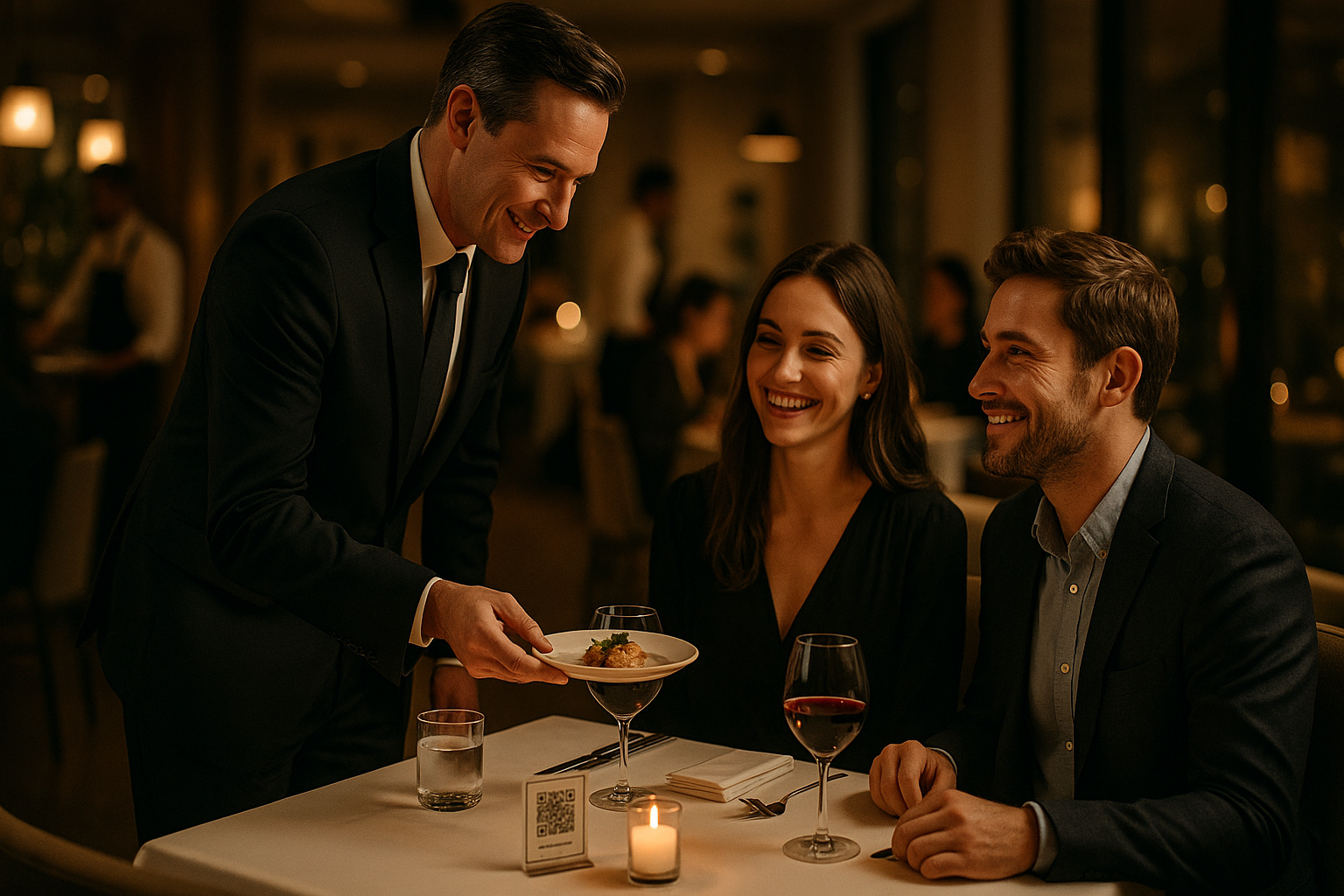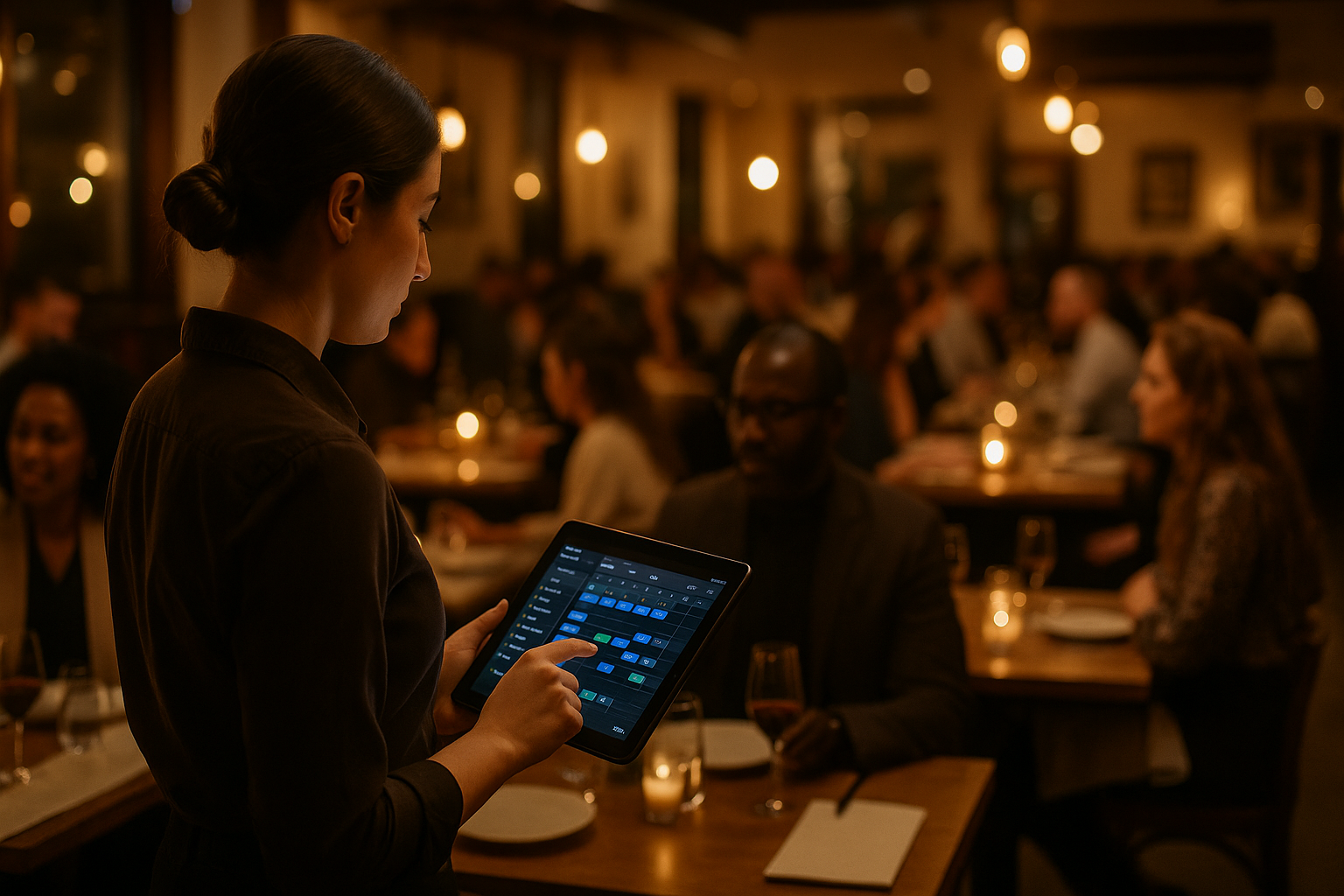
Guests using a phone to scan a QR code at a warmly lit restaurant table

How QR Codes Can Personalise the Guest Journey — From Scan to Reservation

QR codes are no longer just a quick way to show a menu — when used dynamically they become a powerful first‑touch that can route guests into a personalised booking flow, capture preferences, and feed richer guest profiles. For independent operators in Europe, a thoughtful scan-to-reservation journey converts casual interest into confirmed covers, lowers no-shows, and gives your front-of-house the context they need to deliver memorable service. Why dynamic QR codes change the first touchpoint Static QR codes that always open the same PDF are useful, but they waste an opportunity. A dynamic QR code is a redirect: the same printed code can send different guests to tailored content depending on time, campaign, or even which table they scanned from. Use cases that matter for restaurants: ...

August 1, 2026 · 4 min · 738 words · Tabledoo
Families dining in a bright independent restaurant with a small supervised play area visible, warm lighting, host seating guests

Managing play‑area demand and family bookings: reservation tactics for independent restaurants

Families are an invaluable repeat business segment: they bring group covers, longer dwell times and predictable midweek demand — but they also create operational complexity when in‑restaurant play areas, supervision needs and kids’ preferences enter the picture. Independent operators who want to welcome parents without disrupting covers must balance capacity, staffing and booking hygiene. In practice this means reserving the right tables, scheduling limited play‑area slots, capturing dietary and seating needs at booking, and using reminders to keep no‑shows to a minimum. ...

July 30, 2026 · 4 min · 735 words · Tabledoo
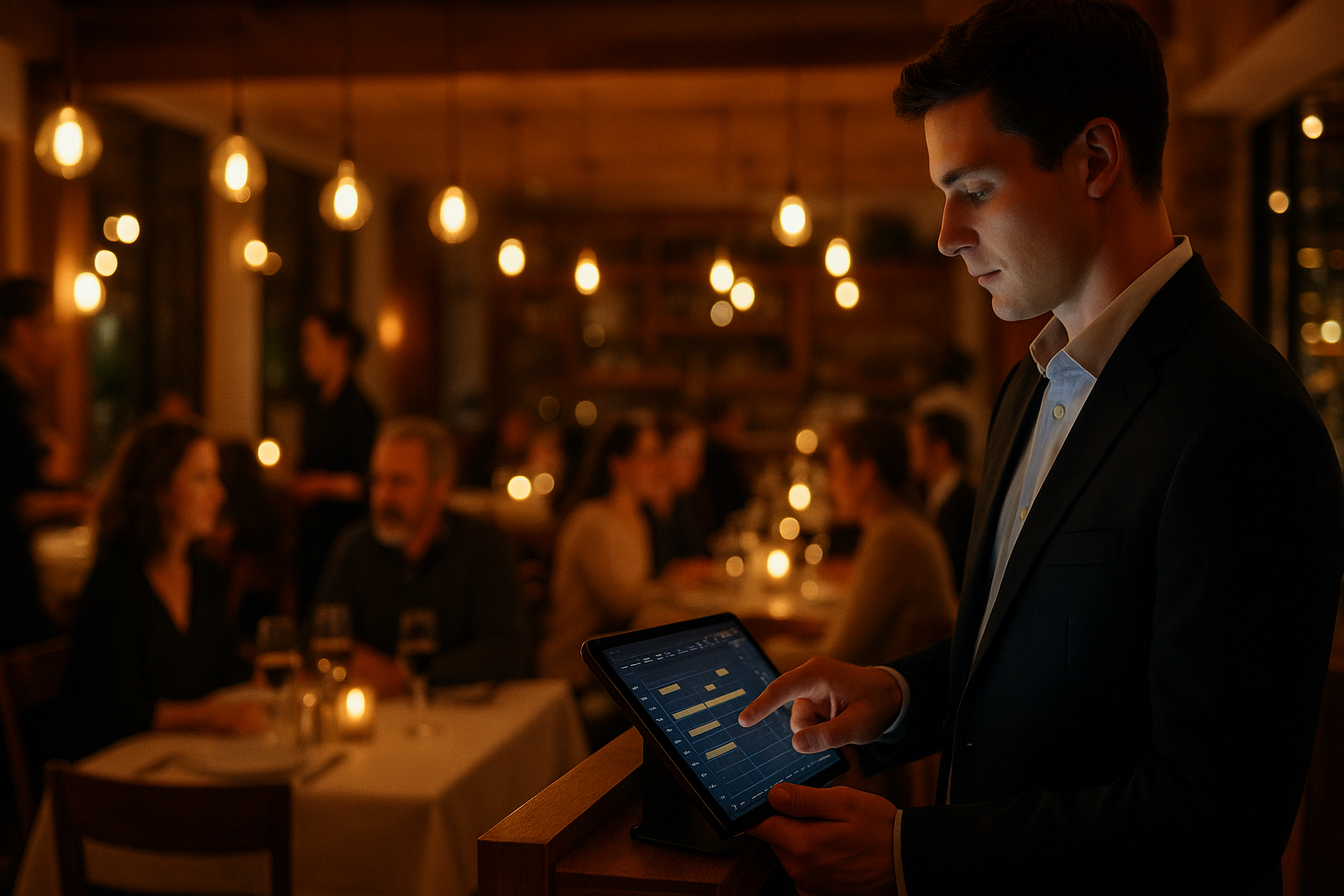
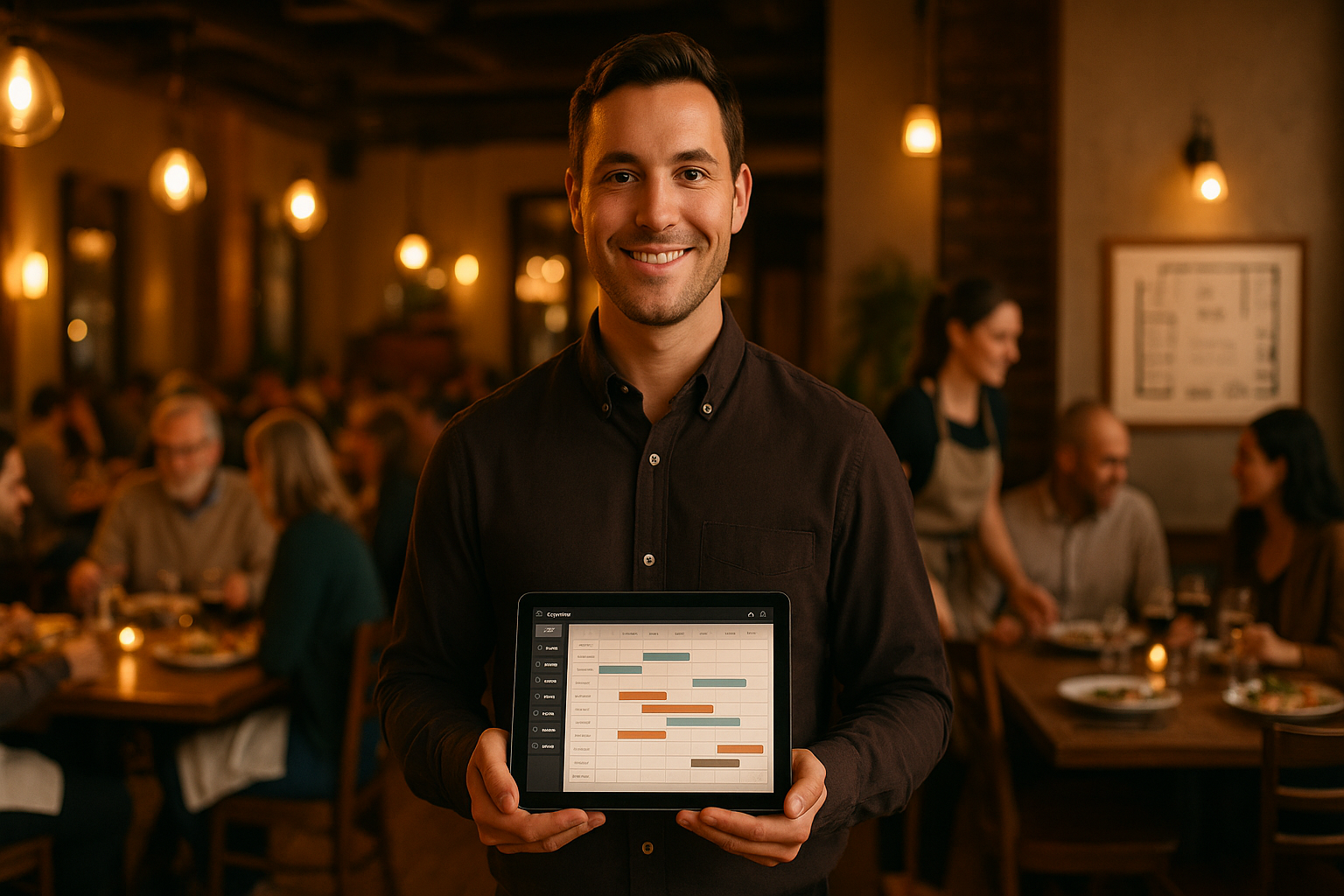
Host checking a tablet with a reservation timeline in a warmly lit independent restaurant

Preparing Your Reservation Data for AI: How Independents Can Turn Bookings into a Real Data Foundation

AI only amplifies what’s already in your systems. For independent restaurants that means the single most valuable dataset you already collect is your reservations and guest history. If that data is messy, fragmented or missing consent flags, any AI you add later will scale the problems — not the gains. This post gives practical, operator-focused steps to turn bookings into a clean, centralised data foundation, and explains how Tabledoo’s reservation system, guest CRM, analytics and webhooks help you prepare for AI-driven improvements in marketing, operations and service. ...

July 28, 2026 · 4 min · 776 words · Tabledoo
A busy independent restaurant on match night with a host using a tablet while guests scan a QR code at a table

How independents can capture World Cup footfall: managing reservations, waitlists and guest flow

Major sporting events like the FIFA World Cup create short windows of intense demand: unpredictable walk-ins, late kick-offs, and groups who prioritise atmosphere over reservations. For independent restaurants that rely on margins and guest experience rather than scale, the opportunity is clear — and so is the risk. To convert event-driven footfall into sustainable covers without sacrificing service quality, operators need systems that lock in bookings, reduce no-shows, speed service and keep the floor moving. Here’s a practical playbook for how to manage reservations during events using a simple, integrated toolkit. ...

July 26, 2026 · 4 min · 752 words · Tabledoo
Host in a warmly lit restaurant checking reservations on a tablet while diners enjoy meals in the background

Why Loyalty Apps Are Struggling — How Independents Can Turn Reservations into Repeat Visits

Loyalty programmes built as standalone apps promised to turn occasional diners into regulars. In practice they too often deliver a high number of sign-ups and a low number of real repeat visits. For independent restaurateurs the opportunity isn’t another app on someone’s phone — it’s turning the booking itself into the first reliable step of a multi-visit relationship. At Tabledoo, we’ve seen operators succeed by designing rewards and workflows around the second and third visits, using guest CRM, automated SMS/email and reservation analytics to measure and nudge behaviour without forcing guests to download anything new. ...

July 22, 2026 · 4 min · 747 words · Tabledoo
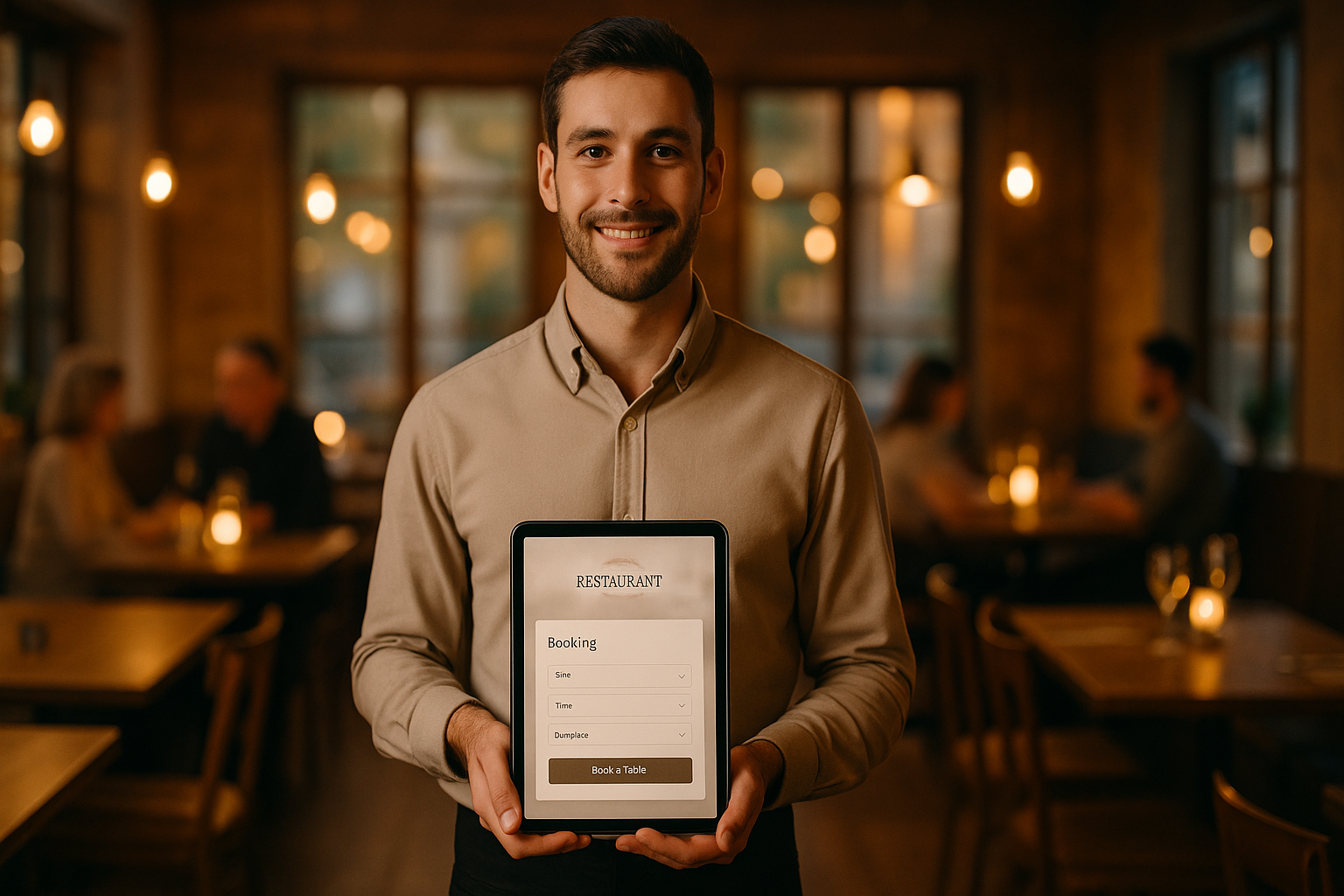
Front-of-house host tablet showing a paused booking page with warm restaurant interior in background

Managing Reservations and Guest Communications During a Food‑Safety Crisis

A food‑safety incident is as much an operational problem as it is a communications one. Independent operators need clear, repeatable actions that protect guests, limit revenue loss, and preserve trust — and your reservations system should be the hub for those actions. Below are pragmatic steps you can run from your booking platform to coordinate public updates, targeted outreach, and on‑the‑ground floor management while an investigation or recall is ongoing. ...

July 18, 2026 · 4 min · 756 words · Tabledoo
A warm, busy independent restaurant host using a tablet to manage reservations while guests arrive

Make Your Digital Front Door Convert: Practical Steps to Increase Direct Bookings

Many diners decide where to eat long before they walk through your door. Your search listing, website booking path and online menu together form the restaurant’s “digital front door” — and that front door either converts interest into a confirmed reservation or hands the guest to another venue. For independent operators, small changes to online visibility and the booking flow deliver measurable increases in direct bookings, fewer no-shows and better-managed service nights. ...

July 16, 2026 · 4 min · 726 words · Tabledoo
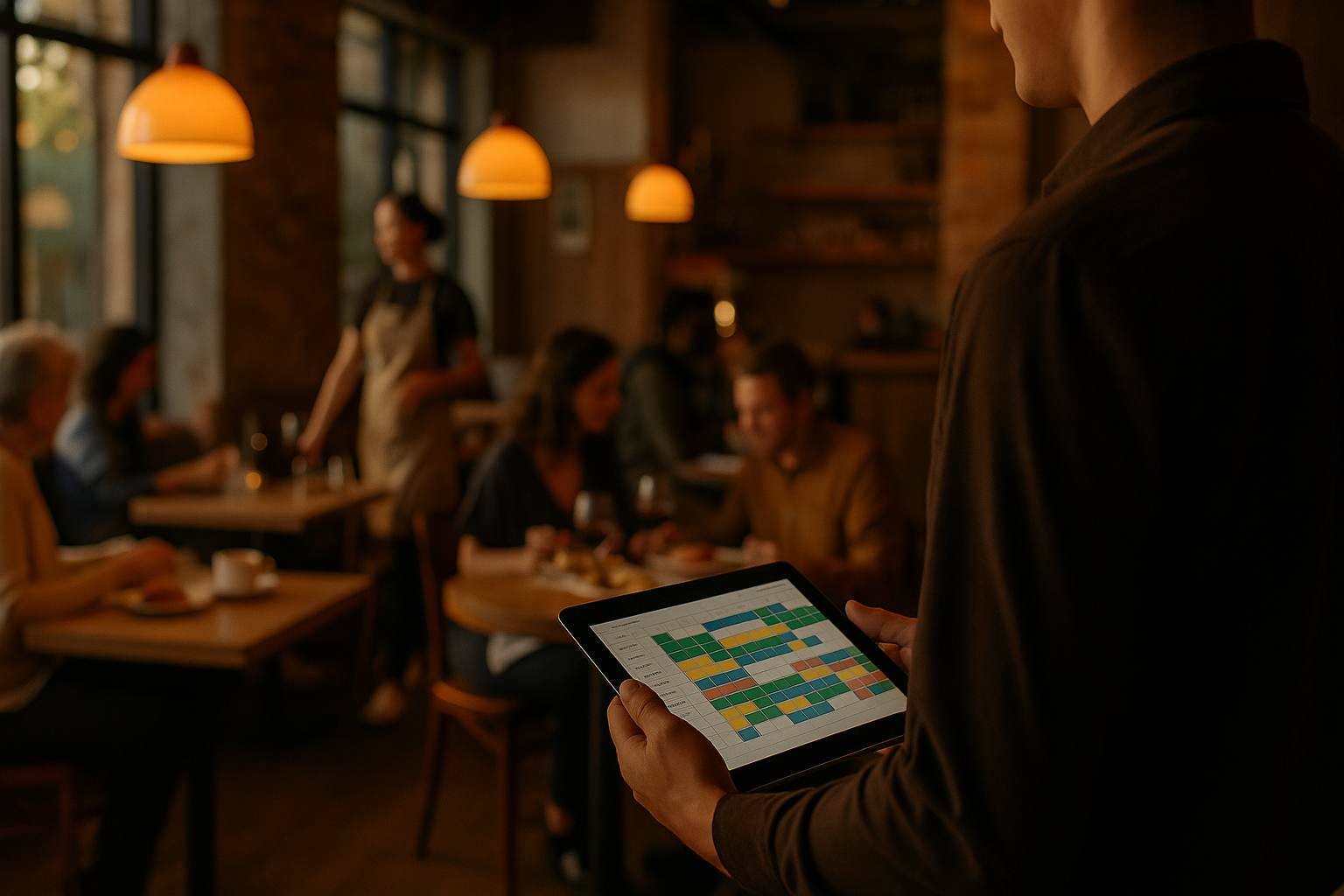
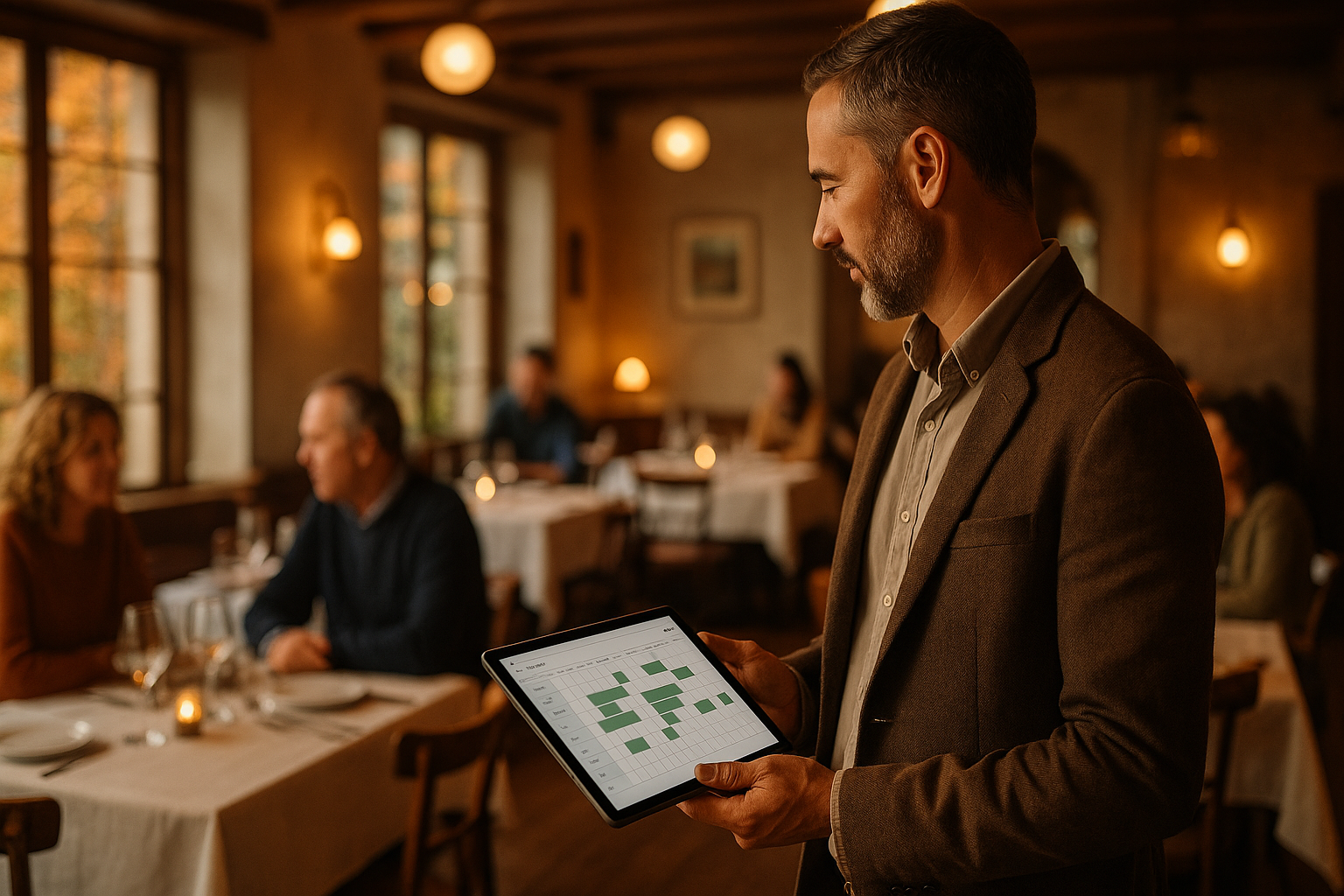
A warmly lit dining room with a host using a tablet showing a timeline grid; guests seated at tables in the background.

When subscription perks affect table turnover: what independents should do now

Introduction Loyalty schemes and subscription perks are powerful tools for driving repeat visits — but they can also change guest behaviour in ways that matter to independents. When a popular chain recently trimmed an unlimited beverage subscription, it highlighted a truth many operators already know: perks that reward time in-house can lengthen dwell time, reduce covers per service, and complicate the job of managing table turnover. For independent restaurants with tight seat capacity and narrow margins, the right operational controls matter more than ever. ...

July 13, 2026 · 4 min · 683 words · Tabledoo
Host checking a digital waitlist on a tablet while a small queue forms outside a busy restaurant at dusk

Line-Sitting and Waitlist Abuse: How Independent Restaurants Can Protect Guest Experience

Introduction Busy, well-loved restaurants are a sign of success — but they also create operational vulnerabilities. A recent rise in paid “line-sitters” and other forms of waitlist abuse has shown how quickly guest flow, fairness, and safety can be undermined. Independent operators need practical, low-friction responses that protect the guest experience without adding another manual chore for a crowded front of house. In this post we explain how strong restaurant waitlist management, clear policies and a few practical tools can close the gaps that allow line-sitting and similar abuses. We also show how Tabledoo’s waitlist features, interactive timeline, public booking page, automated SMS confirmations, and guest CRM fit into an operator-first solution. ...

July 11, 2026 · 4 min · 846 words · Tabledoo
Front-of-house host holding a tablet with a timeline grid while servers deliver plates and guests scan a QR menu at a wooden table.

Preparing Your Front‑of‑House for a New Menu: Reservations, Service Times, and Guest Experience

Introduction Rolling out a new menu is exciting: fresh dishes, new flavours and a reason to bring guests back. It’s also one of the riskiest operational moments for an independent restaurant. New dishes can slow tickets, crowd a single kitchen station and ripple into longer turnaround times for every table. Effective menu change management starts before day one of the launch and depends as much on front‑of‑house (FOH) processes and tools as it does on the kitchen. In this post we explain practical FOH steps—using reservations, booking durations, timeline views, QR menus, waitlists and guest CRM—to keep service smooth during a menu rollout. ...

July 11, 2026 · 4 min · 830 words · Tabledoo