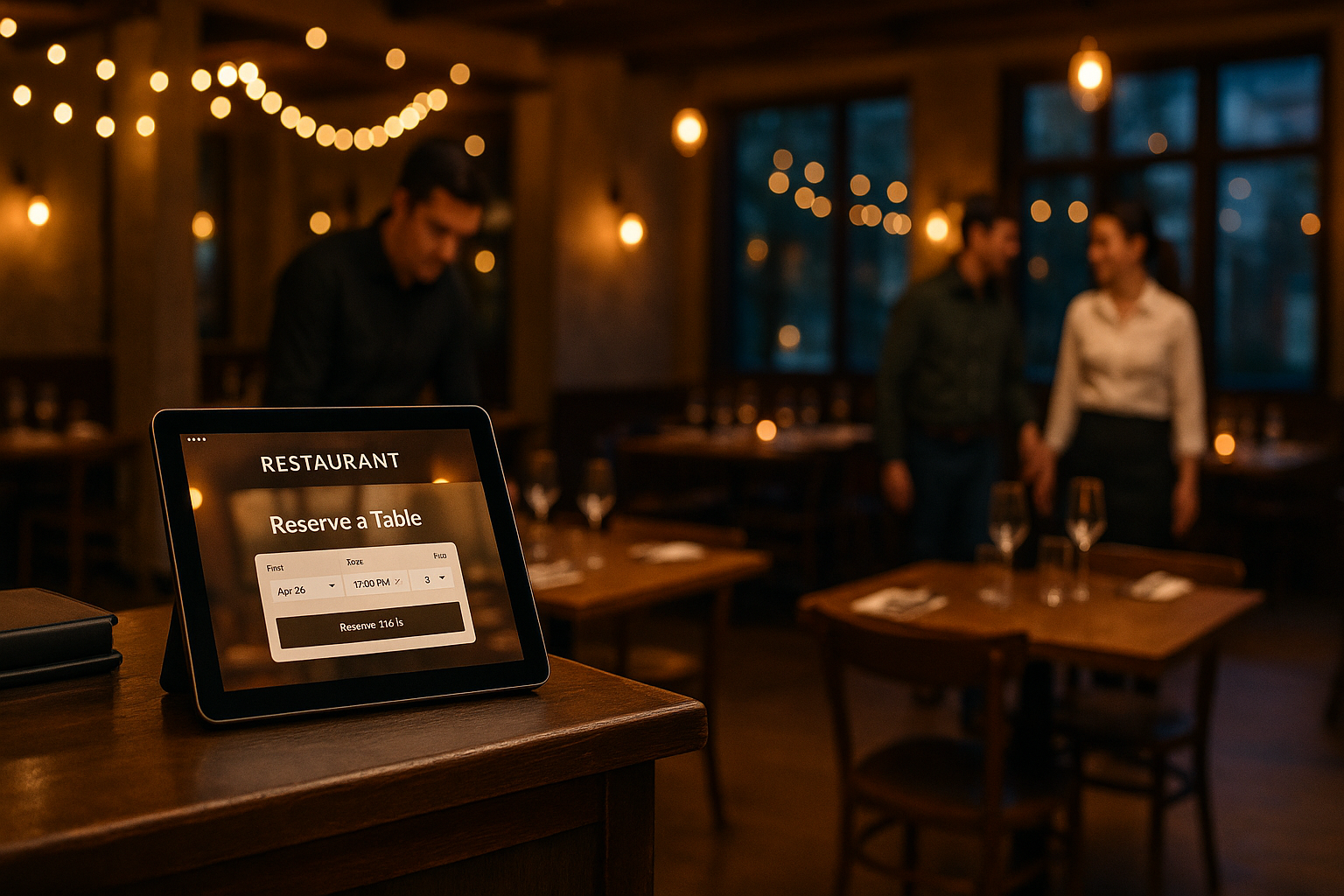
A warmly lit restaurant host podium with a tablet showing an online booking page, tables in the background and staff preparing to seat guests

Dining Decisions Are 'Defaults': How Restaurants Can Make Reservations the Easy Choice

Dining choices are driven less by dramatic single decisions and more by habits: where people eat frequently becomes their default. For restaurants this is a huge opportunity. If you can make booking your venue the easy, habitual choice — the default your guests reach for without thinking — you convert casual covers into repeat revenue. In practical terms that means smoothing the path to booking (and returning) with a branded public booking page, intelligent guest profiles, timely reminders and an installable PWA that lives on a guest’s phone. ...
September 10, 2026 · 4 min · 734 words · Tabledoo
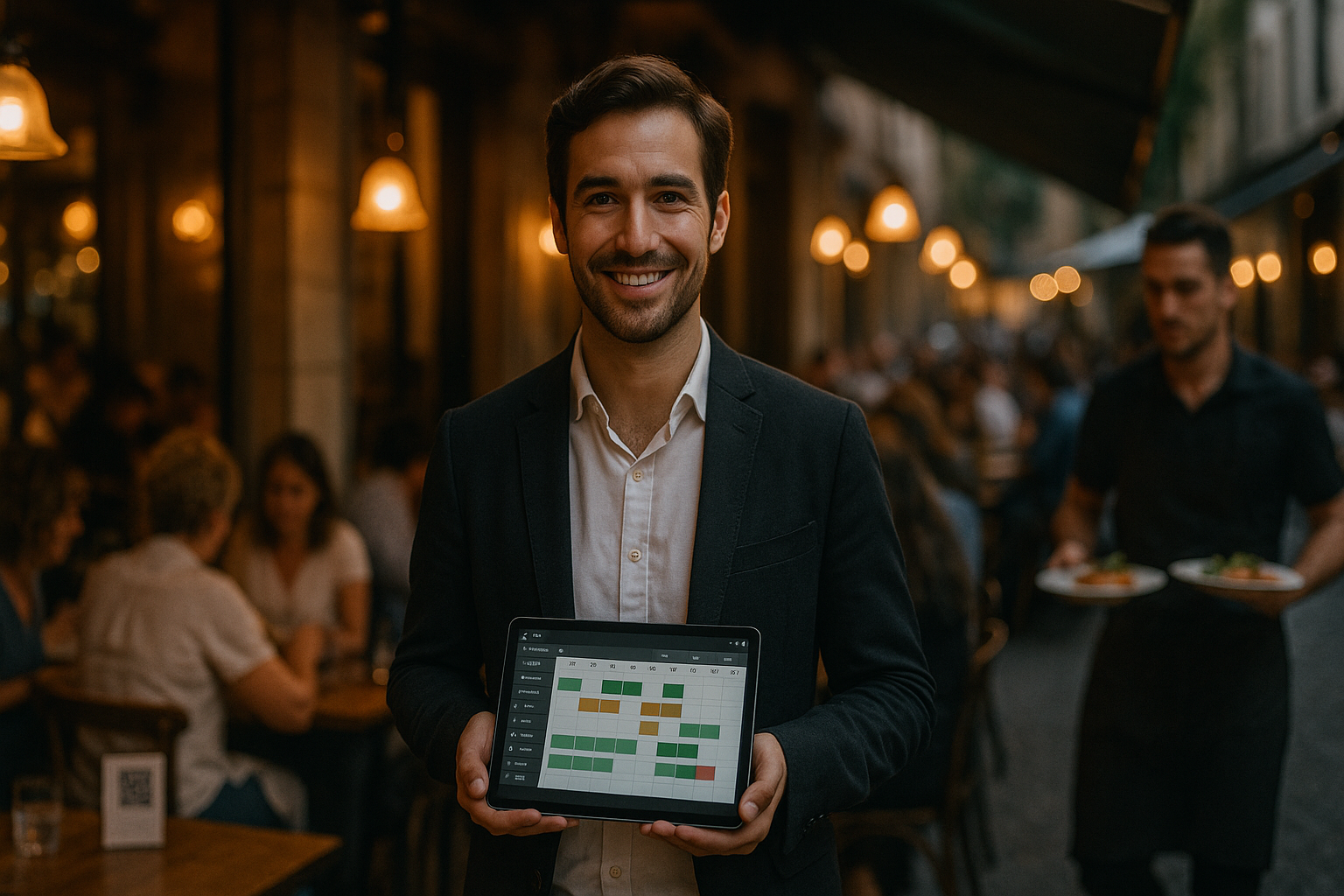
Front-of-house host using a tablet with a timeline grid while guests arrive, warm lighting

From Bookings to Retention: How Reservation Data Can Help Reduce Restaurant Staff Turnover

Staff retention is at the top of every operator’s list in 2026. As the industry moves away from crisis hiring and toward stabilising teams, operators need practical, day-to-day tools that reduce stress for front‑of‑house staff and make schedules predictable. Reservation data—when organised and actioned correctly—becomes one of the easiest, highest‑impact levers for improving working conditions and lowering turnover. Why reservation data matters for retention Retention problems often look like HR issues, but they usually start in service delivery: unpredictable covers, last‑minute no‑shows, and chaotic seating plans all translate into rushed shifts and stressed staff. Reservation systems that go beyond taking names simply record data. When that data is analysed and used to shape rotas and workflows, it reduces friction. ...

September 6, 2026 · 4 min · 682 words · Tabledoo
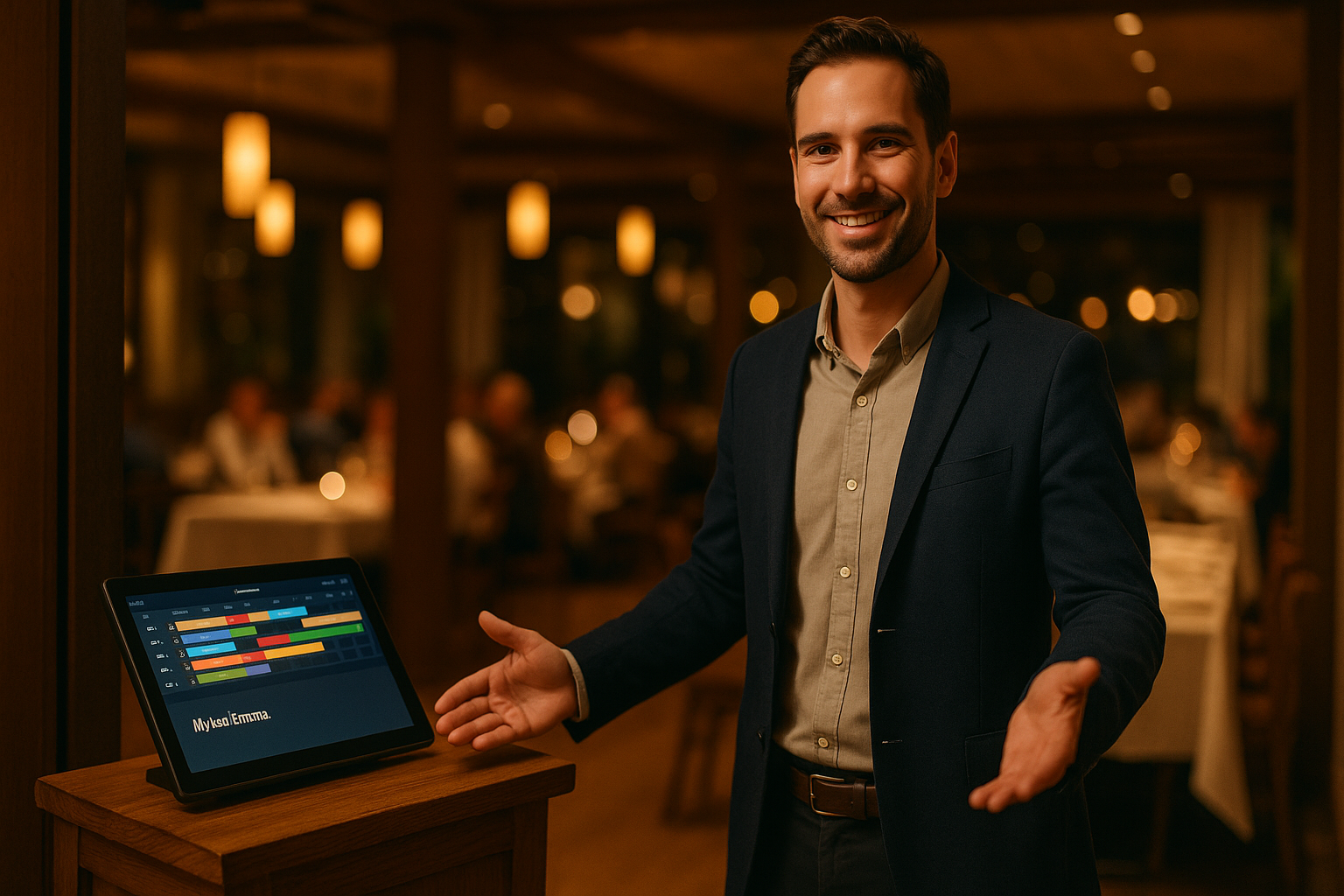
Host greeting arriving guests at a restaurant entrance with a tablet showing reservation details on a wooden podium

Why hospitality can't be fully automated: balancing AI with human service in reservations and front-of-house

Automation in reservations is no longer optional — it’s how many restaurants remove friction, cut no-shows, and free staff for the parts of hospitality that matter most. But efficiency should support, not replace, genuine human connection. In our experience working with hundreds of European venues, the smartest approach is a hybrid: use reservations automation for routine touchpoints, and protect live, staff-led moments where warmth and judgement create loyalty. Why reservations automation matters Reservations automation tackles low-value, high-frequency tasks so teams can focus where they add the most value. Automated confirmations, reminder SMS and email, and an always-on booking interface reduce administrative load and dramatically lower the likelihood of empty prime-time covers. Operational features like minute-level timeline views and conflict detection mean hosts spend less time juggling spreadsheets and more time planning smooth turn times. ...

August 22, 2026 · 3 min · 636 words · Tabledoo
Guest checking allergen information on a restaurant booking page via phone while seated at a warmly lit table

Allergen transparency: How showing allergy info at booking boosts trust and covers

Allergen-safe dining is no longer a niche concern — it shapes who books, who turns up, and how often guests return. Recent industry research shows many allergy-sensitive diners will abandon a booking or avoid eating out entirely if allergen details are missing or unclear. For European operators, publishing clear allergen information across booking channels and menus isn’t just compliance or good practice: it’s a measurable way to win bookings, cut last-minute cancellations, and protect margins. ...

August 11, 2026 · 4 min · 739 words · Tabledoo